

European countries are ramping up diplomatic efforts to secure the reopening of a key maritime strait, as concerns grow over the escalating impact of its closure on global trade and energy markets.
The waterway, a critical route for the transportation of oil and liquefied natural gas, has become a focal point of geopolitical tensions in the Middle East. Its disruption has triggered sharp increases in energy prices and raised fears of supply shortages across Europe and beyond.
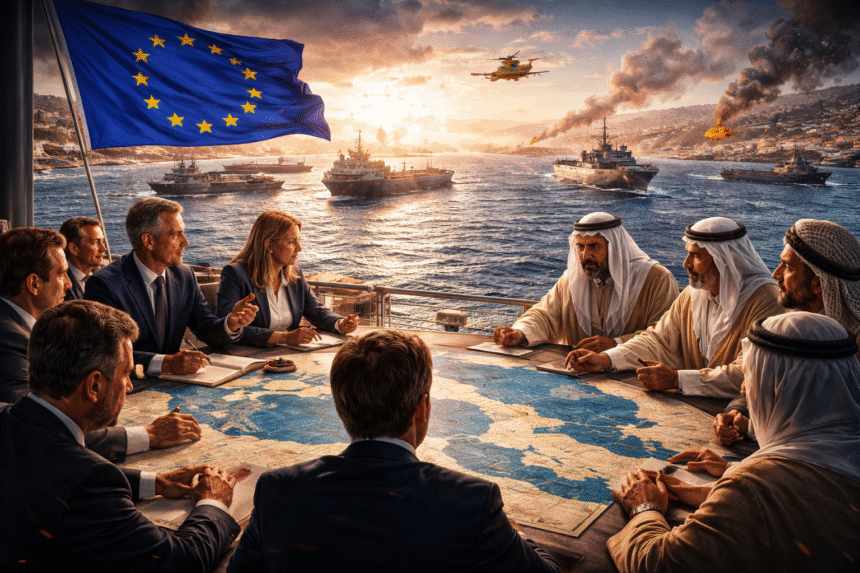
In response, European governments have launched a coordinated diplomatic push, engaging with regional actors and international partners to ease tensions and restore safe passage through the strait. Officials say the goal is to prevent further economic disruption and stabilize global markets already under pressure.
Diplomatic channels have been activated at multiple levels, including direct talks with countries in the region, consultations with global powers, and emergency discussions within international organizations. European leaders are emphasizing the importance of keeping vital trade routes open and free from conflict.
The urgency of these efforts reflects Europe’s heavy dependence on imported energy, particularly in the wake of recent geopolitical shifts that have reshaped supply chains. Any prolonged disruption threatens to deepen inflationary pressures, increase costs for businesses and consumers, and slow economic growth.
Several European countries are also exploring contingency measures alongside diplomatic efforts. These include tapping into strategic reserves, diversifying energy imports, and accelerating the transition toward alternative energy sources.
Analysts note that the success of Europe’s diplomatic push will depend largely on developments on the ground. A de-escalation of tensions could quickly ease pressure on markets, while continued instability may prolong the crisis and amplify its economic consequences.
The situation has also highlighted the broader vulnerability of global supply chains to geopolitical shocks. For European policymakers, the current crisis serves as a reminder of the need for greater resilience and long-term strategic planning.
As diplomatic efforts intensify, the reopening of the strait remains a top priority for Europe—not only to secure energy supplies but also to prevent a wider economic fallout that could extend far beyond the region.