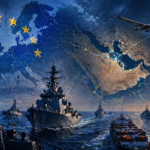


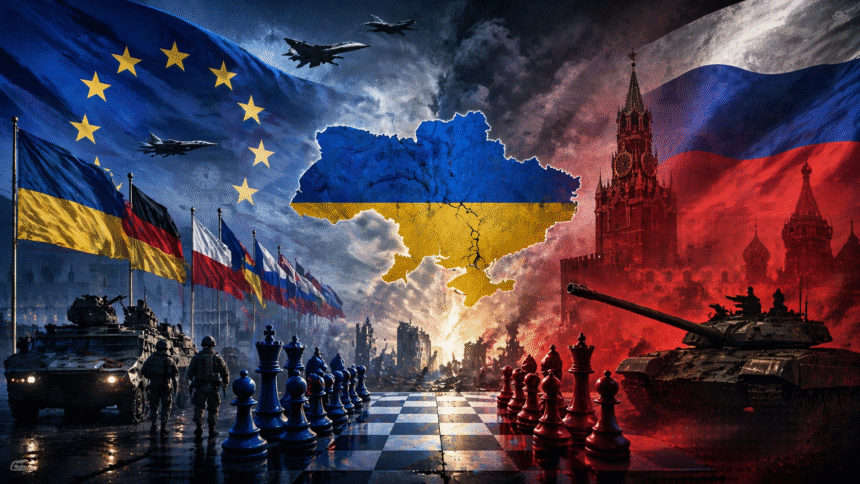
European countries are reaffirming and, in some cases, expanding their support for Ukraine, even as Russia issues stark warnings about what it describes as the “increasing involvement” of European states in the ongoing war.
Across the continent, governments are maintaining a steady flow of military aid, financial assistance, and humanitarian support to Kyiv. Several European nations have committed to new defense packages, including air defense systems, ammunition, and training programs for Ukrainian forces. This sustained backing reflects a broader European strategy aimed at strengthening Ukraine’s ability to resist Russian advances and stabilize the frontlines.
Moscow has responded with increasingly sharp rhetoric, accusing European countries of moving closer to direct participation in the conflict. Russian officials argue that expanded military aid, intelligence sharing, and logistical coordination blur the line between support and active involvement. These warnings have raised concerns about potential escalation, particularly if the conflict spreads beyond Ukraine’s borders.
For European leaders, the stakes remain high. Supporting Ukraine is widely seen as essential not only for defending Ukrainian sovereignty but also for preserving the broader European security order. Officials across the European Union emphasize that failing to counter Russian aggression could have long-term consequences for regional stability.
At the same time, policymakers are attempting to carefully calibrate their actions to avoid triggering a direct confrontation with Russia. This balancing act—providing robust support while preventing escalation—has become a defining feature of Europe’s approach to the war.
Despite a unified public stance, internal differences persist. Some countries advocate for stronger and faster military support, while others remain cautious, citing economic pressures, energy security concerns, and the risk of escalation. Public opinion in several nations is also becoming a factor, as the prolonged conflict continues to impact economies and political landscapes.
With no clear resolution in sight, Europe’s role in the war is likely to remain under intense scrutiny. Russia’s warnings signal that tensions between Moscow and European capitals are set to persist, if not intensify.
As the conflict enters a prolonged phase, the key question is whether Europe can sustain its support for Ukraine while managing the growing risks of broader confrontation.