

The European Union is preparing to impose additional sanctions on Russia as concerns grow over suspected acts of sabotage and other hostile operations targeting infrastructure and strategic facilities across Europe.
The latest push follows German allegations that Moscow was connected to an attempted drone attack targeting a Ukrainian cargo aircraft at Leipzig/Halle Airport. Russia has denied involvement, while European officials say investigations into the incident and other suspected operations are continuing.
European Commission President Ursula von der Leyen pledged to increase pressure on Russia, describing the alleged attack as part of a broader pattern of increasingly reckless activity. EU foreign policy chief Kaja Kallas has also indicated that Brussels is considering further measures in response to what European governments characterize as hybrid threats.
The proposed sanctions are expected to focus on individuals and organizations associated with Russia’s military-industrial sector, intelligence networks and operations allegedly conducted on European territory. Additional restrictions could target companies accused of helping Moscow obtain technology and equipment for its military despite existing export controls.
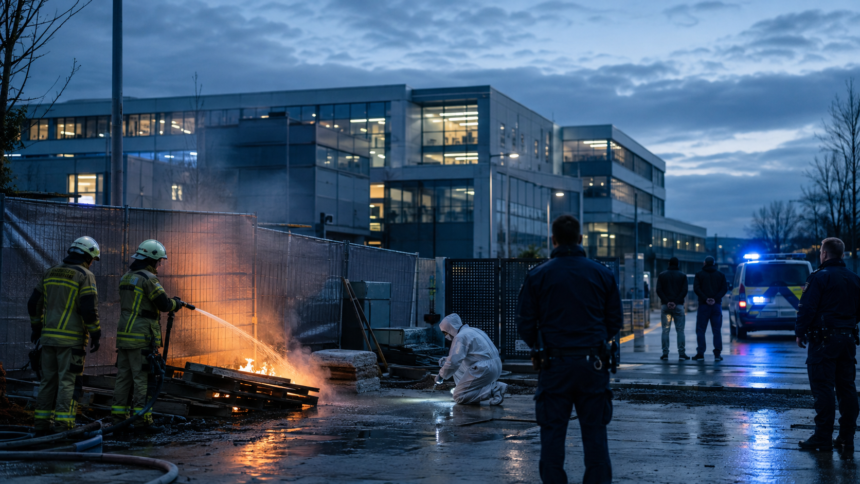
European governments have reported a series of suspicious incidents involving fires, cyberattacks, damaged energy networks and attempts to disrupt transportation and defense-related facilities. German authorities are currently investigating suspected arson near the Munich headquarters of Rohde & Schwarz, a company that develops secure communications and drone-detection technologies.
Investigators have not publicly established that every incident is connected to Russia. European security officials, however, are examining whether foreign powers are recruiting criminals or extremist networks to carry out operations that provide governments with plausible deniability.
The growing confrontation has also triggered diplomatic retaliation. Germany ordered the closure of the Russian Consulate in Bonn and a Russian cultural center in Berlin following the Leipzig incident. Moscow rejected Berlin’s accusations and responded by announcing the closure of German cultural institutions, including Goethe-Institut centers in several Russian cities.
Any new EU sanctions will require the approval of all 27 member states. While most governments support maintaining pressure on Moscow over the war in Ukraine, disagreements remain over the scope of the restrictions and their possible economic consequences.
Brussels is nevertheless seeking to demonstrate that suspected attacks on European territory will carry a coordinated response. The planned measures reflect a wider shift in the bloc’s security strategy as it attempts to protect critical infrastructure, restrict Russia’s access to military technology and counter threats that fall below the threshold of conventional warfare.