


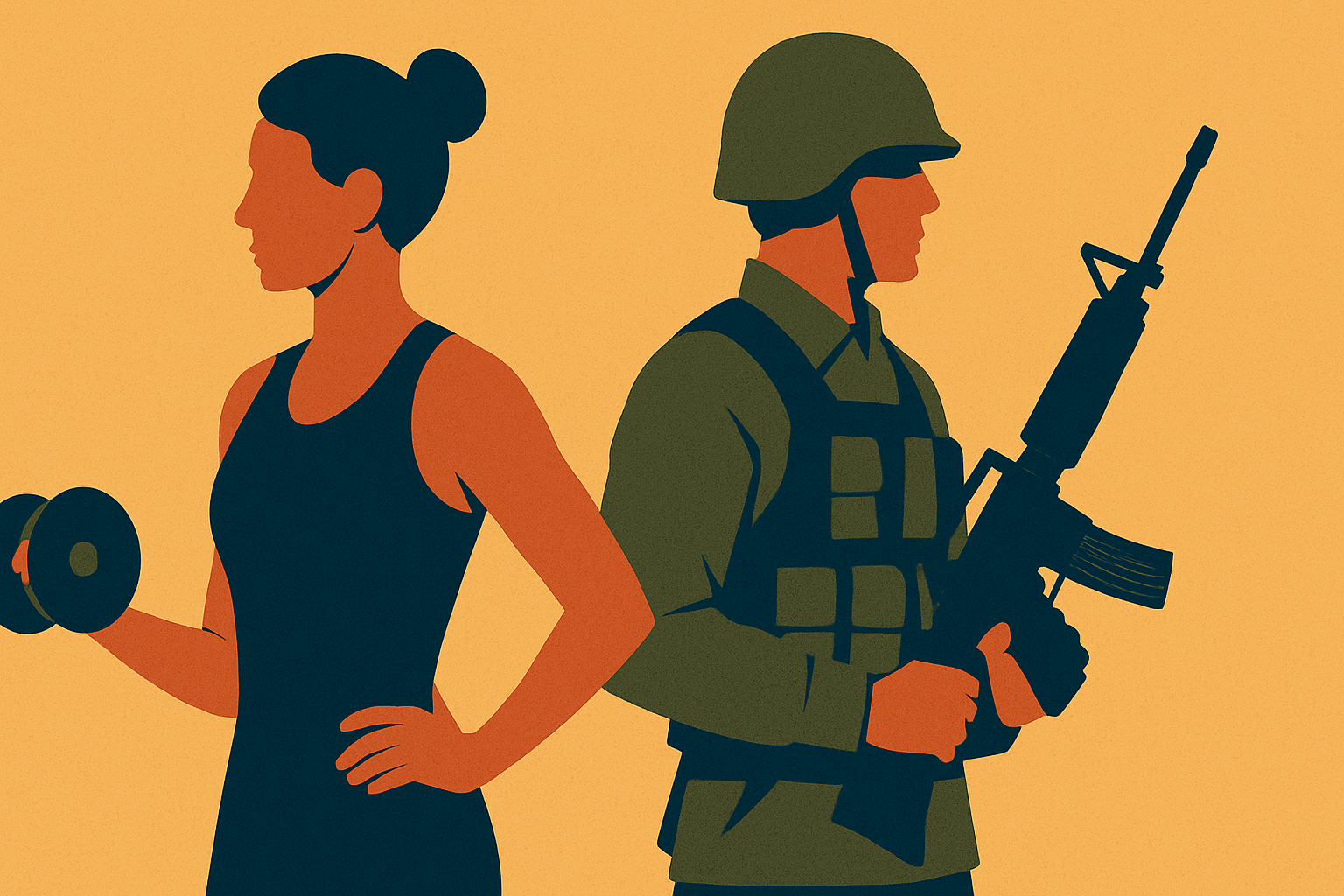
When Katarzyna Rozkosz-Blachowska, a 46-year-old fitness trainer and beauty entrepreneur from Radom, told her husband she was heading to an army boot camp for a month, he assumed she was joking. Instead, she closed her cosmetics shop, left her four children with her husband, and joined nearly 50 civilians at the 1st Warsaw Armoured Brigade, about 100km from her home.
“I don’t think we will have war in Poland, but it’s good to be prepared,” she explained. “I’m a patriotic Polish woman. If something really happens, I will not flee but stay and fight if necessary.”
Rozkosz-Blachowska is among a growing number of Poles voluntarily enrolling in military training as Warsaw seeks to double its armed forces and reservists to about 500,000 to counter Russian aggression. Poland already has the EU’s largest military, and under Prime Minister Donald Tusk has maintained its position as NATO’s biggest defence spender relative to GDP. Billions have been committed to modern equipment purchases, but the challenge remains finding enough trained personnel in a country facing demographic decline and labour shortages.
“Holidays with the Army”
The Warsaw camp is part of a nationwide initiative called “Holidays with the Army,” a paid summer programme running from June to September. It offers civilians a month-long introduction to army life and aims to encourage enlistment in either the reserves or full-time service. This summer, 10,000 places were made available, mostly for volunteers under 35.
At Rozkosz-Blachowska’s camp, participants earned 4,000 zlotys ($1,096) for 28 days of training, but the regime — beginning with 5:30am wake-up calls and intensive combat drills — proved too much for some. Ten recruits dropped out before completing the course. “Not everyone is able to obey,” admitted Second Lieutenant Artur Rzepka, an instructor. “With civilians, you have to teach everything from the start.”
Balancing Enthusiasm and Recruitment Challenges
According to the Ministry of Defence, 77 percent of participants this summer were men, and more than half were between 18 and 20. The government also offers weekend training sessions and plans to expand military instruction in secondary schools.
Defence Minister Władysław Kosiniak-Kamysz has stressed that Poland is not currently considering conscription. “We have no problem with volunteers,” he said earlier this year, contrasting Poland with western European states struggling to fill ranks.
But with a shrinking population and low unemployment, experts warn Poland may not meet its ambitious recruitment goals without compulsory service. Bartosz Marczuk, a former deputy minister, recently co-authored a report recommending three months of obligatory, paid training for school-leavers — either in the military or in civil defence roles such as firefighting. “With this new Russian danger on our eastern side, we need at least to think about some kind of conscription again,” he said.
Generational Divide
Younger Poles appear less eager to commit to national defence. A survey by research group Ibris found that 78 percent of 18- to 29-year-olds would not be willing to make sacrifices for the country’s security.
Yet for some, the camps are a turning point. “We are constantly on the move and there’s no time to use the phone,” said 18-year-old Kamil Czechowski, the youngest recruit at the Warsaw camp. “At first it felt strange not to reply immediately to messages, but I got used to it. The training made me want to become a full-time soldier.”
Rozkosz-Blachowska herself said she drew inspiration from her teenage son’s week-long training earlier this year. She admitted that running a business and raising children did not compare with handling a rifle. “This training made me realise how much we do not know,” she said. “But now I can adjust my rifle and I will know how to act.”