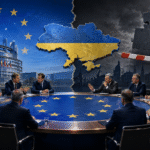



The meeting brings together heads of state and government from across the EU to discuss continued military and financial assistance for Ukraine, reaffirming the Union’s commitment to supporting Kyiv as the conflict with Russia continues. Officials are also reviewing proposals aimed at increasing defense production, expanding joint procurement of military equipment, and improving Europe’s overall defense readiness.
Another key item on the agenda is the possibility of introducing additional sanctions against Russia. European leaders are assessing new measures designed to increase economic pressure on Moscow while maintaining unity among member states on the bloc’s broader foreign policy objectives.
Alongside discussions on sanctions and defense, EU officials are also examining diplomatic efforts related to the conflict. European contacts with Moscow continue through various channels to explore whether conditions exist for reviving negotiations and reducing regional tensions, although no immediate breakthrough is expected.
The summit comes at a time when Europe faces a rapidly evolving security environment, prompting renewed calls for greater strategic autonomy and stronger cooperation among member states. Leaders are expected to emphasize the importance of balancing sustained support for Ukraine with investments that enhance the European Union’s long-term defense capabilities.
The outcome of the Brussels meeting is expected to influence the EU’s security, defense, and foreign policy agenda in the coming months, as the bloc seeks to maintain solidarity on Ukraine while preparing for future geopolitical challenges.