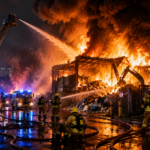


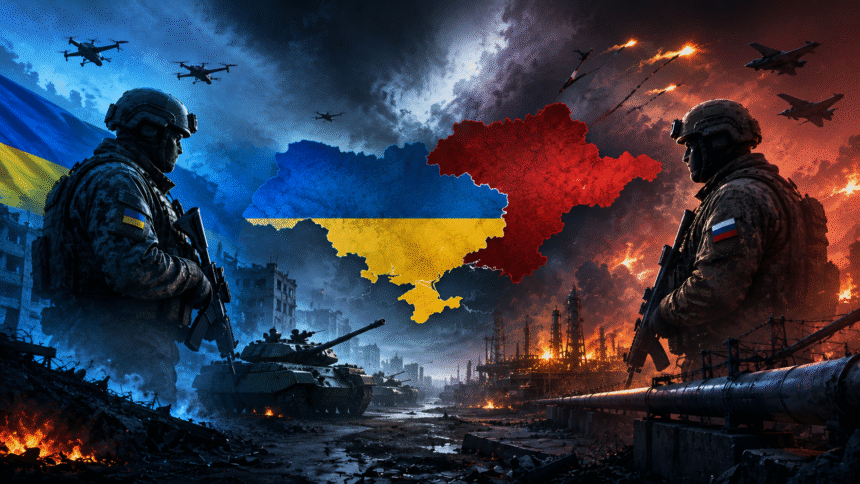
Ukrainian authorities said Russian forces launched attacks against infrastructure and strategic facilities, while Russia reported Ukrainian drone and missile strikes aimed at military installations and key logistical assets. Independent verification of all battlefield claims remains limited, as both sides continue to release conflicting accounts of the latest developments.
The renewed exchange of attacks has intensified concerns across Europe, where governments are closely monitoring the security situation amid fears that further escalation could have wider regional consequences. European officials remain particularly focused on the potential impact on energy infrastructure, cross-border security, and the stability of supply chains.
Energy security continues to be a major concern for European policymakers, especially as critical infrastructure remains vulnerable to disruption. Several governments have increased contingency planning to reduce the risks of supply interruptions and protect essential energy networks.
The latest escalation also comes as European leaders continue discussions on strengthening defense cooperation, maintaining support for Ukraine, and preparing for potential long-term security challenges. Diplomatic efforts remain active through various international channels, although prospects for a near-term political settlement remain uncertain.
As military operations continue on both sides, the conflict remains one of the most significant security challenges facing Europe, with governments balancing support for Ukraine, regional stability, and efforts to prevent the war from expanding beyond its current front lines.