


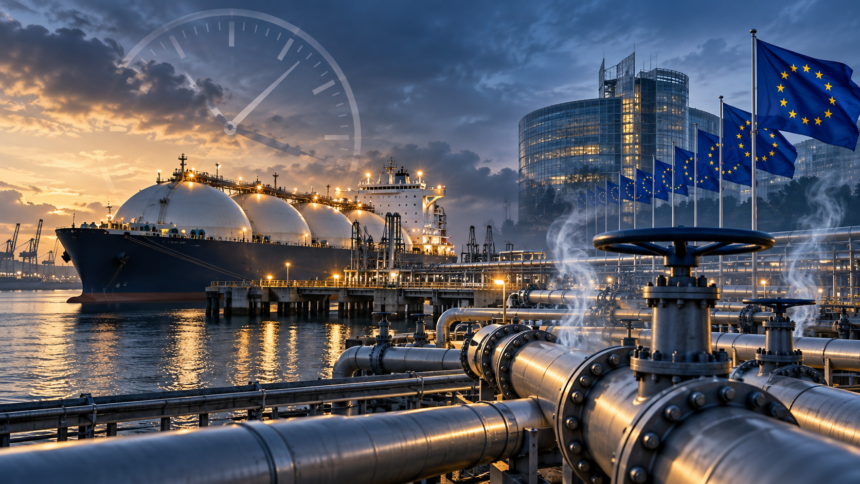
The European Commission is considering a delay to methane reporting rules for imported oil and gas, as governments and energy suppliers warn that the requirements could complicate deliveries during a period of tight supply. No postponement has been approved.
Under the current timetable, foreign producers supplying the European Union must begin monitoring and reporting methane emissions from January 1, 2027. The rules are intended to address emissions associated with the fuels Europe buys abroad, as well as those produced within the bloc. Methane is a powerful greenhouse gas released, among other sources, through leaks in oil and gas operations.
EU Energy Commissioner Dan Jørgensen said he had asked officials to examine options for postponing the import requirements, potentially by one year. He said the aim was to give countries and companies more time to prepare, rather than reduce the law’s environmental ambition.
France has called for a one-year delay, citing legal risks for importers as energy supplies tighten. Other EU countries and the United States, a major supplier of liquefied natural gas to Europe, have also raised concerns. Supporters of a delay argue that suppliers facing uncertainty over compliance or penalties could be reluctant to commit fuel cargoes to the European market.
The proposal leaves Brussels balancing two priorities: securing energy supplies ahead of winter and maintaining its commitment to reduce methane emissions. The Commission has not announced when it will formally propose a change. Any amendment would require approval from EU member states and the European Parliament, so the existing January 2027 timetable remains in place for now.