


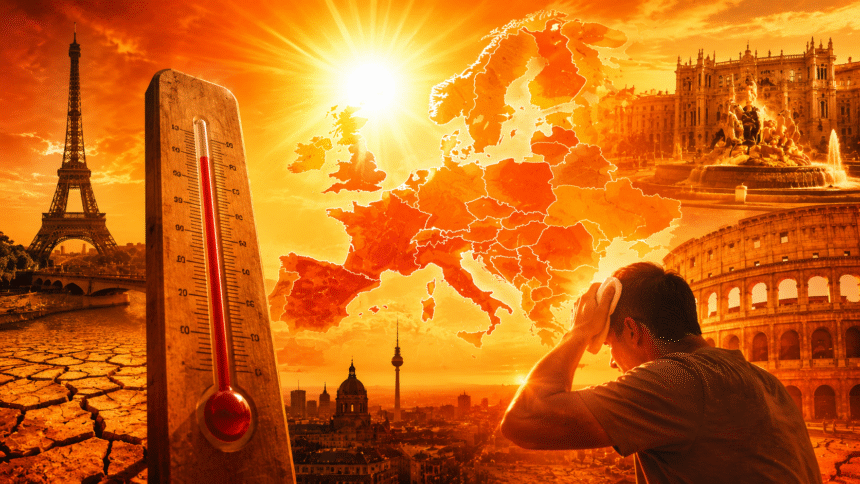
Authorities across the affected countries have issued health alerts and urged residents to take precautions against extreme heat, particularly vulnerable groups such as the elderly, young children, and people with chronic medical conditions. Emergency services have also increased staffing levels in anticipation of a rise in heat-related illnesses and wildfire risks.
The prolonged period of high temperatures is placing additional pressure on healthcare systems, energy networks, and public infrastructure. Electricity demand is expected to increase significantly as households and businesses rely more heavily on air conditioning, while water conservation measures have been introduced in some regions facing dry conditions.
Local governments have opened cooling centers, expanded public health campaigns, and advised people to avoid strenuous outdoor activities during the hottest hours of the day. Authorities are also monitoring the impact of the heat on transportation systems, agriculture, and tourism, as extreme weather continues to affect daily life across southern and western Europe.
Climate experts note that Europe has experienced increasingly frequent and intense heatwaves in recent years, with rising temperatures contributing to longer periods of drought, increased wildfire activity, and growing concerns over the resilience of critical infrastructure.
As the heatwave continues, national weather agencies are expected to provide updated forecasts and safety guidance, while emergency responders remain on heightened alert to address the potential health and environmental impacts of the extreme conditions.