


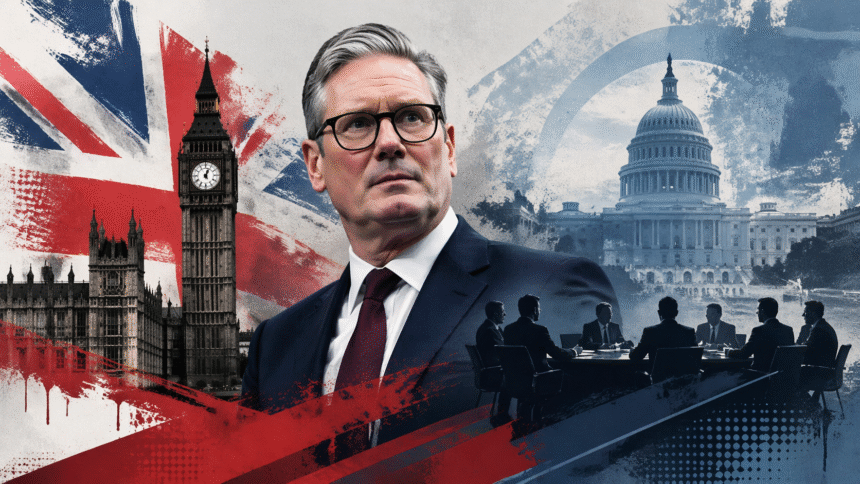
British Prime Minister Keir Starmer is facing growing domestic political pressure following the appointment of a controversial diplomat to the United Kingdom’s embassy in Washington, D.C., a move that has sparked criticism across the political spectrum.
What was intended to reinforce the UK’s strategic relationship with the United States has quickly turned into a political flashpoint. Critics argue that the chosen diplomat’s past positions and public record raise concerns about their suitability for one of Britain’s most critical foreign postings.
Members of Parliament, including figures from both the opposition and within the ruling party, have called for greater transparency regarding the selection process. Questions have been raised about whether political considerations outweighed diplomatic merit, potentially undermining confidence in the government’s foreign policy approach.
Some lawmakers have warned that the controversy risks distracting from broader diplomatic priorities at a time when the UK is navigating complex global challenges.
The appointment has drawn particular attention due to the importance of the UK’s relationship with the United States. The ambassadorial role in Washington is widely regarded as one of the most influential positions in British diplomacy, responsible for managing cooperation on security, trade, and international policy.
Analysts suggest that any perceived misstep in this role could have wider implications, even if both governments remain committed to maintaining strong bilateral ties.
For Keir Starmer, the controversy comes at a sensitive moment. As he seeks to project stability and competence on the global stage, the backlash may provide ammunition for political opponents questioning his judgment and leadership.
While the immediate issue centers on a single appointment, the broader debate reflects ongoing tensions within UK politics over transparency, accountability, and the direction of foreign policy. Whether the government can contain the fallout—or whether the issue escalates into a larger political challenge—remains to be seen.