

Divisions are deepening within the European Union as member states struggle to agree on how to respond to the ongoing war and the risks of further military escalation.
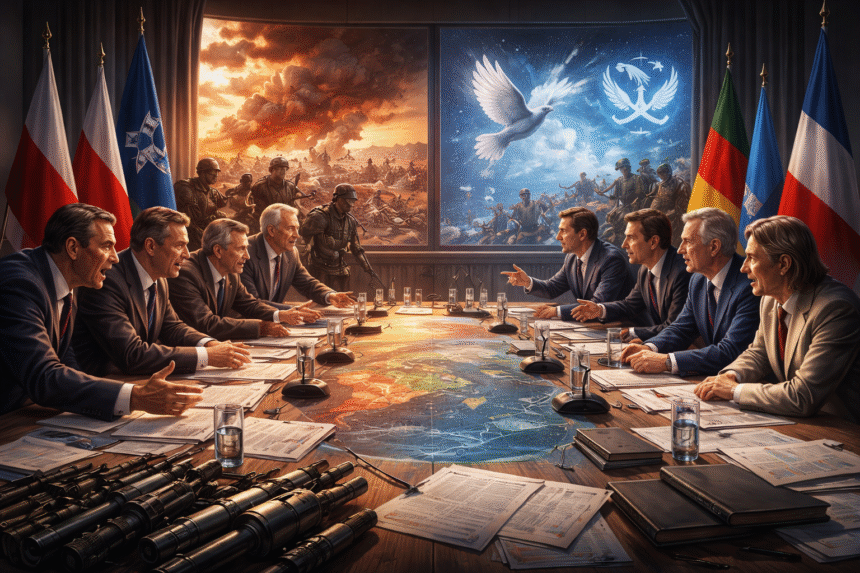
While some countries advocate for a firm stance that includes increased military support and stronger deterrence measures, others are pushing for diplomatic engagement and de-escalation, warning that continued confrontation could lead to a wider and more dangerous conflict.
The split reflects broader differences in strategic priorities across the bloc. Eastern European countries, which feel more directly exposed to security threats, tend to favor a more assertive approach. They argue that strengthening military capabilities and maintaining pressure is essential to ensure regional stability and deter further aggression.
In contrast, several Western and Southern European nations are emphasizing the importance of diplomacy. These countries are calling for renewed negotiations, ceasefire efforts, and international mediation, highlighting the economic and humanitarian risks associated with prolonged conflict.
The debate is also influenced by domestic pressures. Rising energy prices, economic uncertainty, and public opinion are shaping national positions, with some governments facing growing calls to avoid deeper involvement in military actions.
At the institutional level, European Union leaders are working to maintain a unified position, but consensus remains difficult. Policy decisions related to sanctions, military assistance, and strategic coordination require alignment among member states—something that is becoming increasingly challenging as perspectives diverge.
NATO’s role adds another layer to the discussion. While many EU countries are also NATO members and support collective defense measures, there are varying views on how far such commitments should extend in the current context.
Despite these differences, there is a shared recognition of the need to prevent further escalation. Even countries advocating for stronger military measures acknowledge the importance of keeping diplomatic channels open to avoid a broader crisis.
The ongoing disagreements highlight a fundamental challenge for the European Union: balancing unity with diverse national interests in times of geopolitical tension. As the situation evolves, the bloc’s ability to coordinate its response will be a key factor in shaping both its internal cohesion and its role on the global stage.