

By using this site, you agree to the Privacy Policy and Terms of Use.
Accept
Euro Post.Euro Post.
Notification Show More
Aa
  • My Europe
    • Europe News
    • Social Issues
    • Immigration
    • EU Policies
    • EU Updates
  • World
    • Africa
    • Global Conflicts
    • Human Rights
    • Middle East
    • Latin America
    • Ukraine Crisis:
  • Business
    BusinessShow More
    Lamborghini Unleashes the Temerario: A Hybrid Supercar Poised to Surpass the Huracán
    July 26, 2025
    Is Waze Nearing the End of the Road? Google Maps Growth Raises Questions About the Future of the Navigation App
    July 26, 2025
    Germany Secures Fourth Conviction in €195 Million EU-Wide VAT Fraud Case Tied to Covid Mask Scam
    July 25, 2025
    AstraZeneca Commits $50 Billion Investment in U.S. Amid Tariff Pressures
    July 23, 2025
    ASML Shares Fall as Trump-Era Tariff Fears Cloud 2026 Growth Outlook
    July 17, 2025
  • Sport
  • Travel
  • Culture
    • Art/Design
    • Literature
    • Music
    • Film – TV
    • Fashion
Reading: Gas Prices Have Risen by About 65% Over a Week Due to the War and Tensions in the Strait of Hormuz
Share
Aa
Euro Post.Euro Post.
  • My Europe
  • World
  • Business
  • Sport
  • Travel
  • Culture
Search
  • My Europe
    • Europe News
    • Social Issues
    • Immigration
    • EU Policies
    • EU Updates
  • World
    • Africa
    • Global Conflicts
    • Human Rights
    • Middle East
    • Latin America
    • Ukraine Crisis:
  • Business
  • Sport
  • Travel
  • Culture
    • Art/Design
    • Literature
    • Music
    • Film – TV
    • Fashion
Follow US
  • Advertise
© 2021 Euro Post Agency.com. All Rights Reserved.
Euro Post. > Blog > My Europe > Europe News > Gas Prices Have Risen by About 65% Over a Week Due to the War and Tensions in the Strait of Hormuz
Europe News

Gas Prices Have Risen by About 65% Over a Week Due to the War and Tensions in the Strait of Hormuz

World News
By World News Published March 23, 2026
Share

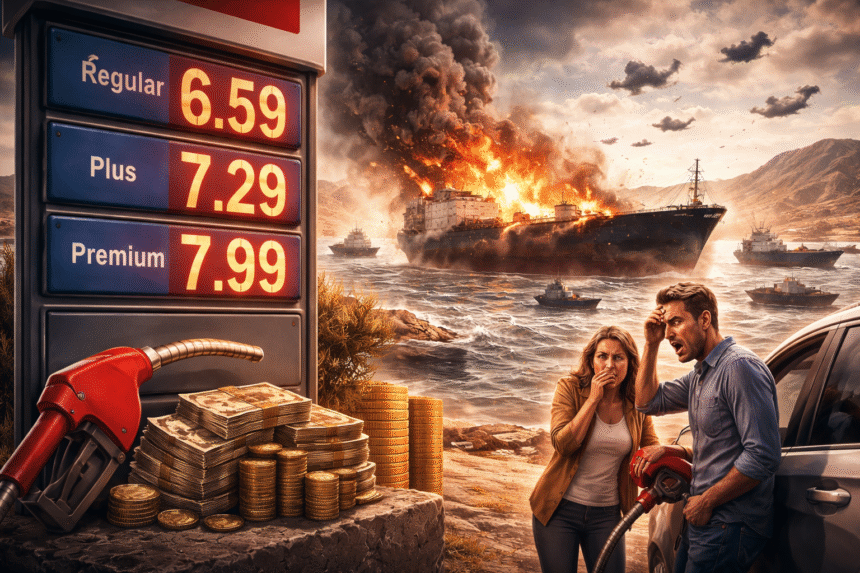
Global energy markets have been shaken by a dramatic surge in gas prices, which have risen by approximately 65% within a single week. The spike comes amid escalating conflict in the Middle East and growing instability around the Strait of Hormuz—one of the world’s most critical energy chokepoints. The sudden increase is sending shockwaves through economies, particularly in Europe, where energy security remains highly sensitive.

Contents
The Strait of Hormuz: A Global Energy LifelineWar Premium and Market PanicEurope at the Center of the ImpactEconomic Ripple EffectsStrategic Responses Under ConsiderationConclusion

The Strait of Hormuz: A Global Energy Lifeline

The Strait of Hormuz is a narrow maritime passage through which nearly a fifth of the world’s oil and a significant portion of liquefied natural gas (LNG) supplies pass daily. Any disruption in this corridor has immediate and far-reaching consequences for global energy markets.

With rising military activity and threats to shipping in the region, traders and governments are reacting to the possibility of supply interruptions—even before any full blockade occurs. This anticipation alone has been enough to drive prices sharply higher.

War Premium and Market Panic

Energy markets are highly responsive to geopolitical risk, and the current situation has introduced what analysts call a “war premium.” This reflects the added cost traders are willing to pay due to uncertainty and fear of supply disruption.

The 65% surge is not solely driven by actual shortages, but by:

  • Concerns over attacks on energy infrastructure
  • Risks to tanker routes in the Gulf
  • Potential escalation into a wider regional conflict

As a result, markets are pricing in worst-case scenarios, amplifying volatility.

Europe at the Center of the Impact

Europe is among the hardest-hit regions. After reducing dependence on Russian gas in recent years, many European countries have turned to LNG imports from global markets—making them more exposed to price fluctuations.

The sudden rise in gas prices is:

  • Increasing electricity costs across the continent
  • Putting pressure on industries already facing high energy expenses
  • Raising fears of renewed inflation and slower economic growth

Governments are now under pressure to intervene, either through subsidies, price controls, or emergency energy measures.

Economic Ripple Effects

The consequences extend far beyond the energy sector. Higher gas prices affect:

  • Manufacturing: Increased production costs, especially in energy-intensive industries
  • Households: Rising utility bills and reduced purchasing power
  • Global trade: Higher transportation and logistics costs

This creates a chain reaction that could slow global economic recovery and deepen existing financial pressures.

Strategic Responses Under Consideration

In response to the crisis, European leaders and global institutions are exploring several options:

  • Increasing strategic gas reserves
  • Diversifying supply sources further
  • Accelerating investment in renewable energy
  • Coordinating international efforts to secure shipping routes

However, these measures take time, while the market reaction is immediate.

Conclusion

The 65% surge in gas prices highlights the fragile balance of global energy systems in times of geopolitical conflict. As tensions in the Strait of Hormuz continue, markets are likely to remain volatile, with far-reaching consequences for economies worldwide.

The situation underscores a critical reality: in today’s interconnected world, regional conflicts can rapidly evolve into global economic crises—making energy security one of the most pressing challenges of our time.
You Might Also Like

The European Union Is Considering Reducing the Ability of Countries to Block Economic Merger Deals

Europe Has Become the Largest Importer of Weapons in the World to Confront Russia

European Countries Have Strengthened Their Military Presence in the Middle East and Opened Their Bases to Support Defensive Operations

Some Countries, Like Germany, Tend to Support Washington Cautiously, While Spain and Other Countries Reject Military Escalation

Europe Is Experiencing a Political Divide Over How to Deal With the War Between the United States and Iran

World News March 23, 2026 March 23, 2026
Share This Article
Facebook Twitter Whatsapp Whatsapp Email Print
What do you think?
Love0
Sad0
Angry0
Dead0
Previous Article European Countries Have Strengthened Their Military Presence in the Middle East and Opened Their Bases to Support Defensive Operations
Next Article Europe Has Become the Largest Importer of Weapons in the World to Confront Russia

Stay Connected

16k Like
85k Follow
45.6k Subscribe
Telegram Follow
- Advertisement -

Latest News

The European Union Is Considering Reducing the Ability of Countries to Block Economic Merger Deals
Europe News
Europe Has Become the Largest Importer of Weapons in the World to Confront Russia
Europe News
European Countries Have Strengthened Their Military Presence in the Middle East and Opened Their Bases to Support Defensive Operations
Europe News
Some Countries, Like Germany, Tend to Support Washington Cautiously, While Spain and Other Countries Reject Military Escalation
Europe News
Loading

Stay Informed,Europ’s Vioce Unfolded

Sign Up for Our Newsletter

Subscribe to our newsletter to get our newest articles instantly!

Loading
© 2022 Euro Post Agency. All Rights Reserved.