European Union ambassadors have agreed to extend sanctions against Russia for only seven days after disagreements among member states prevented the usual six-month renewal.
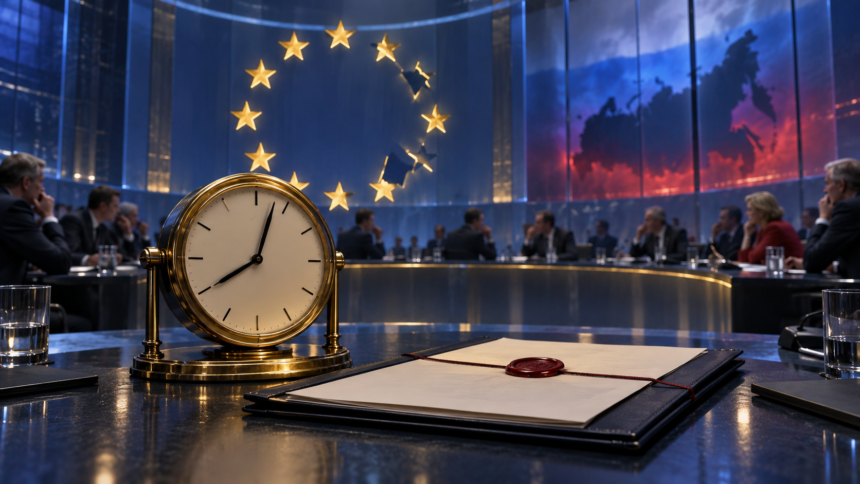
The measures, which had been due to expire on September 15, will now remain in effect until September 22. The temporary extension gives EU governments more time to negotiate a compromise and prevents the sanctions from lapsing while discussions continue.
The sanctions impose asset freezes and travel restrictions on nearly 3,000 Russian individuals and organisations linked to Moscow’s war against Ukraine or accused of supporting policies that threaten Ukraine’s sovereignty and territorial integrity.
Renewing the measures requires the unanimous approval of all 27 EU member states. This requirement has repeatedly led to difficult last-minute negotiations, as individual governments can delay or block an agreement unless their concerns are addressed.
The latest dispute reportedly centres on whether Russian-Uzbek billionaire Alisher Usmanov should be removed from the sanctions list. France and Slovakia have supported delisting him, while other member states remain reluctant to make concessions that could weaken the bloc’s pressure on Moscow.
Usmanov has business interests in industries including metals, mining, telecommunications and media. He has challenged the European restrictions through the courts and remains subject to sanctions imposed by both the EU and the United States.
France has maintained that its position is connected to national security considerations rather than a broader attempt to reduce pressure on Russia. Paris continues to publicly support Ukraine and the EU’s overall sanctions policy. Slovakia, meanwhile, has frequently raised objections during European negotiations concerning Moscow.
The temporary extension avoids an immediate legal gap, but it does not resolve the underlying disagreement. European diplomats must now reach a compromise before September 22 or face the possibility that the entire package of individual sanctions could expire.
The dispute illustrates the difficulties of maintaining unity among 27 governments after years of economic restrictions on Russia. Countries differ over the costs, effectiveness and political consequences of sanctions, even as the EU continues to describe them as a central element of its response to the war.
To reduce the risk of similar disruptions, the European Union previously renewed its broader sectoral sanctions—including restrictions affecting Russia’s energy, banking and trade sectors—for one year instead of the customary six-month period.
For now, the individuals and entities covered by the disputed package will remain subject to frozen assets and travel bans while negotiations continue. The coming week will test whether EU governments can preserve a united position or whether further concessions will be necessary to secure unanimous approval. Reuters