


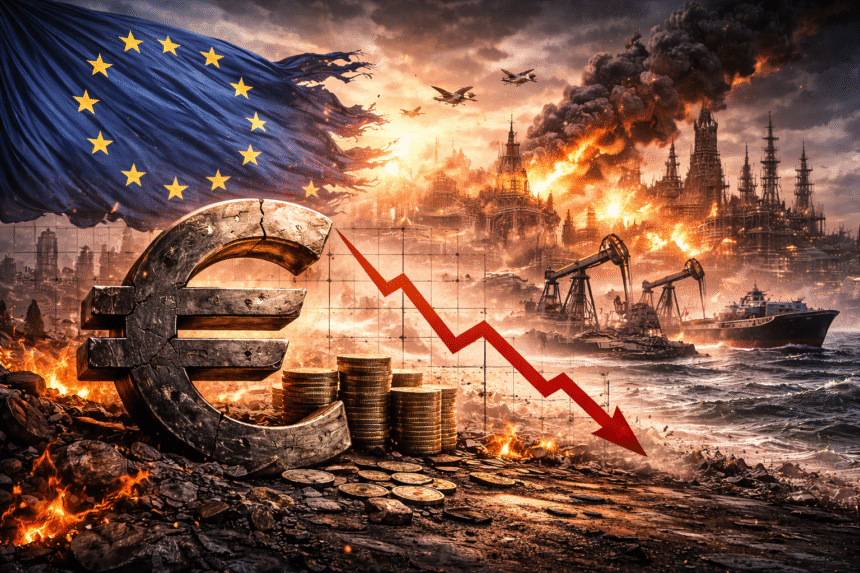
The ongoing conflict in the Middle East and disruptions in global oil supplies are placing significant pressure on the European economy, raising concerns about inflation, energy security, and economic growth across the continent.
Officials from the European Union warn that the instability in key energy-producing regions is driving up oil and gas prices, increasing costs for transportation, manufacturing, and electricity generation. The surge in energy prices is already affecting businesses and households throughout Europe.
Energy analysts note that Europe remains heavily dependent on imported energy, making the region particularly vulnerable to geopolitical tensions that disrupt supply chains. The conflict has heightened uncertainty in global markets, pushing energy traders to anticipate possible shortages and further price increases.
Several European governments have begun reviewing emergency measures to stabilize energy markets and protect consumers from rising utility bills. Policymakers are also considering expanding strategic energy reserves and accelerating investments in renewable energy infrastructure.
Economic experts caution that prolonged instability in the Middle East could slow industrial production and weaken economic recovery in several European countries. The situation has also intensified debates within the EU over long-term strategies for achieving greater energy independence.
Bottom line:
The combination of Middle East conflict and oil supply disruptions is creating a major economic challenge for Europe, highlighting the region’s vulnerability to global energy shocks and the urgent need for stronger energy security policies.