By using this site, you agree to the Privacy Policy and Terms of Use.
Accept
Euro Post.Euro Post.
Notification Show More
Aa
  • My Europe
    • Europe News
    • Social Issues
    • Immigration
    • EU Policies
    • EU Updates
  • World
    • Africa
    • Global Conflicts
    • Human Rights
    • Middle East
    • Latin America
    • Ukraine Crisis:
  • Business
    BusinessShow More
    Lamborghini Unleashes the Temerario: A Hybrid Supercar Poised to Surpass the Huracán
    July 26, 2025
    Is Waze Nearing the End of the Road? Google Maps Growth Raises Questions About the Future of the Navigation App
    July 26, 2025
    Germany Secures Fourth Conviction in €195 Million EU-Wide VAT Fraud Case Tied to Covid Mask Scam
    July 25, 2025
    AstraZeneca Commits $50 Billion Investment in U.S. Amid Tariff Pressures
    July 23, 2025
    ASML Shares Fall as Trump-Era Tariff Fears Cloud 2026 Growth Outlook
    July 17, 2025
  • Sport
  • Travel
  • Culture
    • Art/Design
    • Literature
    • Music
    • Film – TV
    • Fashion
Reading: The European Union Moves to Activate Frozen Russian Assets in a Strategic Shift
Share
Aa
Euro Post.Euro Post.
  • My Europe
  • World
  • Business
  • Sport
  • Travel
  • Culture
Search
  • My Europe
    • Europe News
    • Social Issues
    • Immigration
    • EU Policies
    • EU Updates
  • World
    • Africa
    • Global Conflicts
    • Human Rights
    • Middle East
    • Latin America
    • Ukraine Crisis:
  • Business
  • Sport
  • Travel
  • Culture
    • Art/Design
    • Literature
    • Music
    • Film – TV
    • Fashion
Follow US
  • Advertise
© 2021 Euro Post Agency.com. All Rights Reserved.
Euro Post. > Blog > My Europe > EU Updates > The European Union Moves to Activate Frozen Russian Assets in a Strategic Shift
EU Updates

The European Union Moves to Activate Frozen Russian Assets in a Strategic Shift

World News
By World News Published December 15, 2025
Share

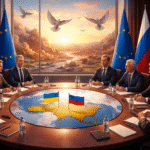
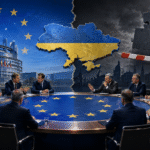
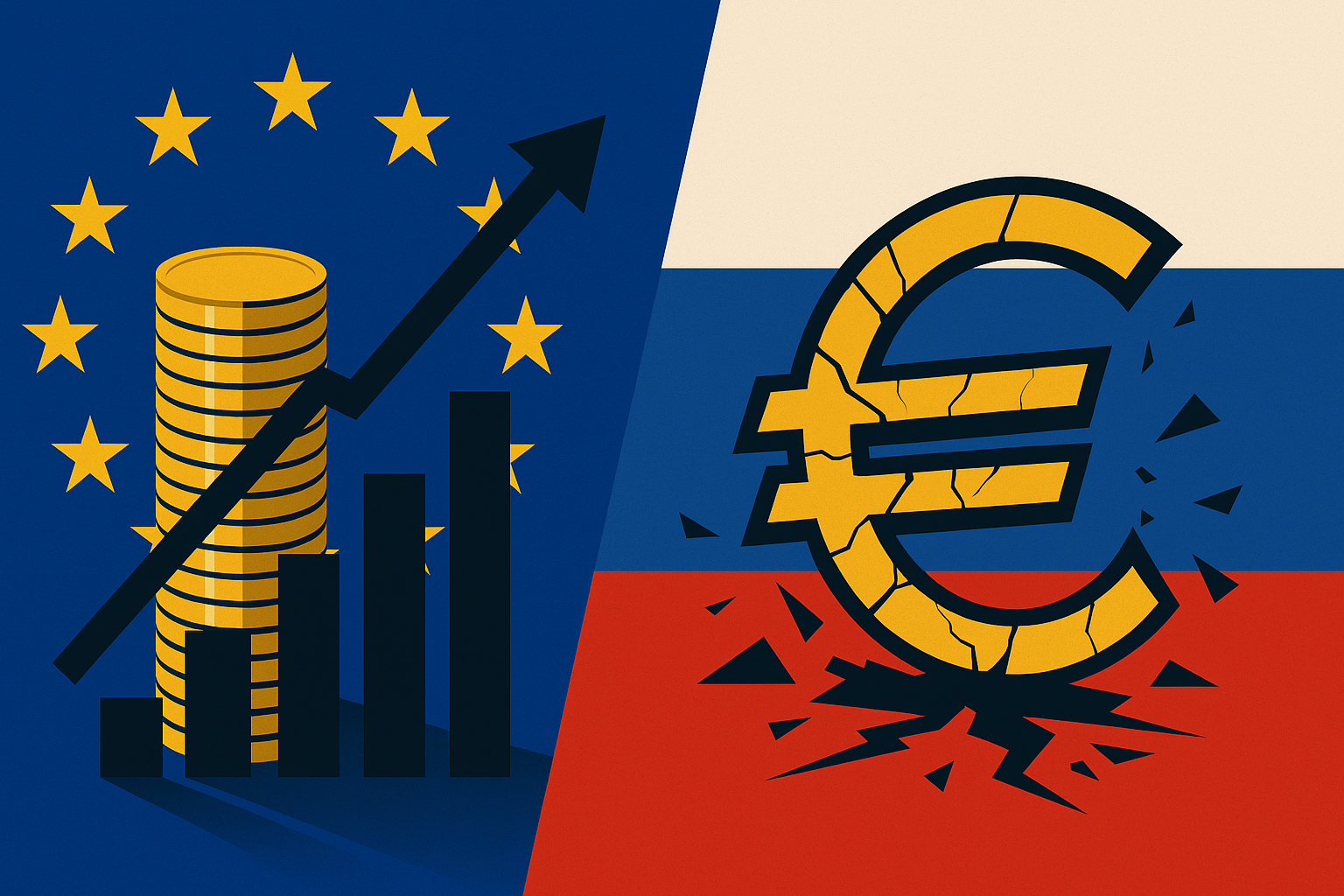
The European Union has begun activating the use of frozen Russian assets as part of a broader strategy aimed at reinforcing its geopolitical influence and economic leverage amid ongoing global instability. The move marks a significant evolution in how the EU seeks to translate its financial power into strategic outcomes, particularly in the context of the war in Ukraine and rising tensions with Moscow.

Since the start of the conflict, EU member states—alongside G7 partners—have frozen an estimated €200–210 billion in Russian sovereign assets, most of which are held within European financial institutions. Until recently, these funds were largely immobilized as a sanctions tool. Now, Brussels is shifting toward utilizing the returns generated by these assets, and potentially other mechanisms, to support strategic objectives without formally confiscating them.

At the heart of the strategy is the idea of transforming passive sanctions into active geopolitical instruments. European officials argue that allowing frozen assets to sit idle weakens their deterrent value, while controlled activation—such as redirecting interest and profits—can strengthen Europe’s role in shaping outcomes in Ukraine and beyond. Funds generated are expected to be channeled into support for Ukraine’s reconstruction, military assistance, and macro-financial stability, while minimizing legal risks for EU institutions.

The move also reflects Europe’s desire to assert greater strategic autonomy. By leveraging Russian assets under its jurisdiction, the EU reduces reliance on ad hoc budget contributions from member states and demonstrates its capacity to act collectively on the global stage. Supporters of the policy view it as a message to both allies and adversaries that Europe is willing to use its economic weight decisively when core security interests are at stake.

However, the decision is not without controversy. Some EU members have expressed concerns over potential legal challenges, financial market repercussions, and retaliation by Russia, including risks to European investments abroad. Brussels has therefore emphasized a cautious, phased approach—focusing first on asset-generated profits rather than outright seizure—to preserve credibility under international law.

Moscow has strongly condemned the move, warning that it sets a dangerous precedent and v

You Might Also Like

EU Expands Sanctions on Belarus to Include ‘Hybrid’ Activities Deemed a Threat to Democracy

EU Imposes New Sanctions on Officials and Companies Linked to Russian Oil Trade Outside Official Channels

EU Weighs Using Frozen Russian Assets to Support Ukraine Financing Talks

EU Permanently Freezes €210 Billion in Russian Assets to Support Ukraine

Starmer Rejects Calls to Rejoin EU Customs Union, Citing Risks to UK Trade Deals

World News December 15, 2025 December 15, 2025
Share This Article
Facebook Twitter Whatsapp Whatsapp Email Print
What do you think?
Love0
Sad0
Angry0
Dead0
Previous Article European Leaders Meet in Berlin in a Last Push to End the Ukraine War Before Christmas

Stay Connected

16k Like
85k Follow
45.6k Subscribe
Telegram Follow
- Advertisement -

Latest News

European Leaders Meet in Berlin in a Last Push to End the Ukraine War Before Christmas
Europe News
Europe Redefines Its Geopolitical Economic Power After Exposing Strategic Vulnerabilities
Europe News
EU Expands Sanctions on Belarus to Include ‘Hybrid’ Activities Deemed a Threat to Democracy
EU Updates
EU Imposes New Sanctions on Officials and Companies Linked to Russian Oil Trade Outside Official Channels
EU Updates
Loading

Stay Informed,Europ’s Vioce Unfolded

Sign Up for Our Newsletter

Subscribe to our newsletter to get our newest articles instantly!

Loading
© 2022 Euro Post Agency. All Rights Reserved.