

The European Union has imposed a new round of sanctions targeting officials and companies involved in Russian oil trading conducted outside the official system, intensifying efforts to curb Moscow’s ability to finance the war through energy revenues.
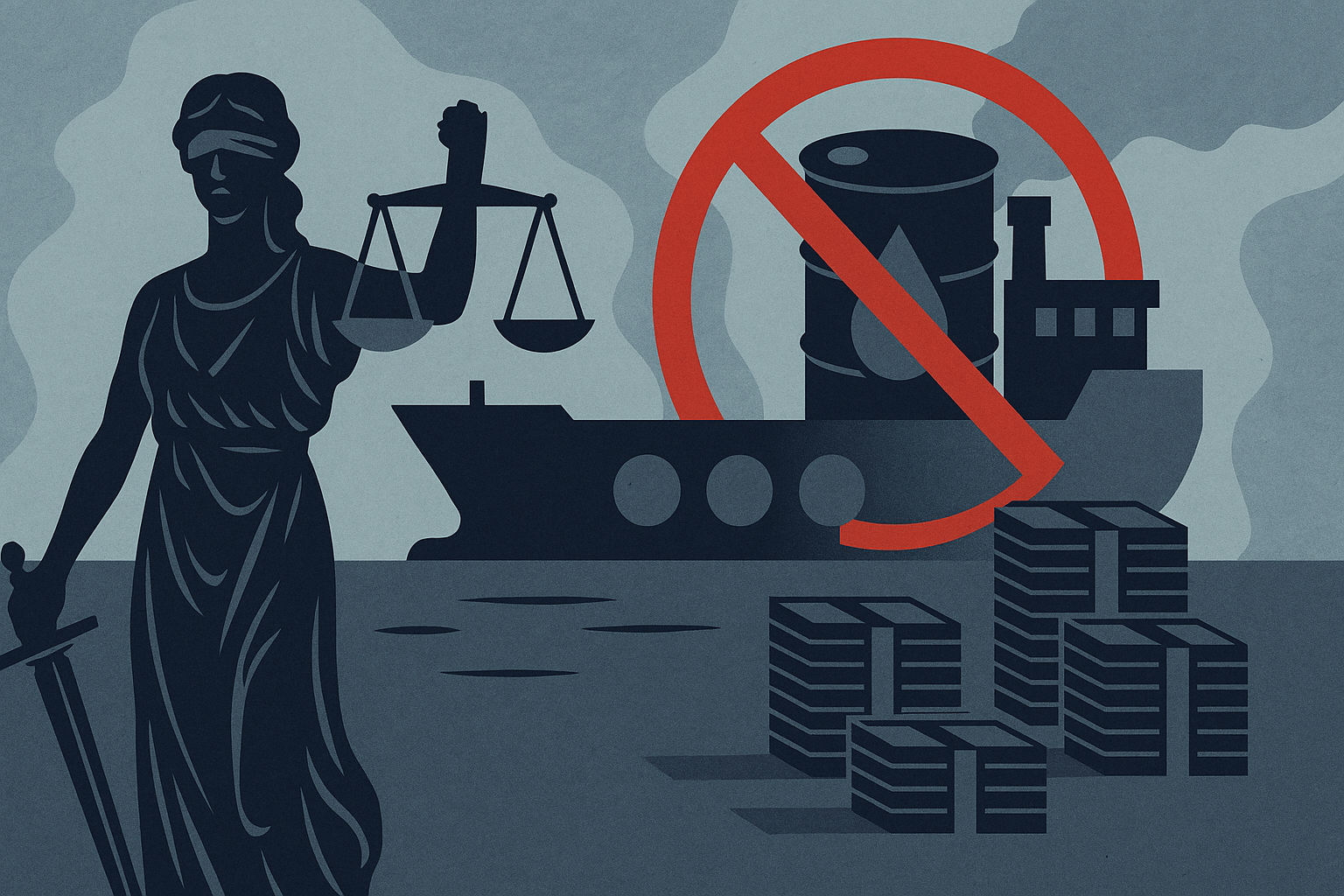
According to EU officials, the measures focus on individuals, shipping firms, and intermediaries accused of facilitating oil exports through opaque networks often referred to as a “shadow” or “dark” trade system. These networks are believed to rely on complex ownership structures, ship-to-ship transfers, falsified documentation, and routes designed to evade existing Western sanctions and price caps.
Targeting the Shadow Oil Network
The latest sanctions aim to disrupt logistical and financial chains that allow Russian oil to reach global markets beyond regulatory oversight. EU authorities say the targeted entities played key roles in arranging transport, insurance, and payments for oil shipments that bypass international restrictions.
By blacklisting executives and companies linked to these practices, the EU hopes to raise the costs and risks of operating outside the formal energy trading system, while sending a warning to global actors that cooperation with such schemes could trigger punitive measures.
Reinforcing the Sanctions Regime
European officials stressed that the new sanctions are designed to close loopholes in the existing framework rather than introduce entirely new restrictions. Despite previous measures, Russia has continued exporting significant volumes of oil, prompting EU policymakers to shift focus toward enforcement and accountability.
“These steps are about making sanctions effective, not symbolic,” an EU diplomat said, noting that revenue from oil exports remains a critical pillar of Russia’s war economy.
Economic and Political Implications
The move reflects growing determination within the EU to maintain pressure on Moscow while avoiding major disruptions to global energy markets. By targeting specific actors rather than imposing blanket bans, Brussels aims to strike a balance between geopolitical objectives and economic stability.
Russia has repeatedly criticized Western sanctions as illegal and counterproductive, arguing that oil exports will continue to find buyers despite restrictions.
What Comes Next
EU officials indicated that further measures could follow if circumvention continues, including closer cooperation with international partners and expanded monitoring of maritime and financial activities. The latest sanctions underscore the EU’s intent to tighten the net around Russia’s informal oil trade, reinforcing its broader strategy to limit the Kremlin’s access to war funding.