

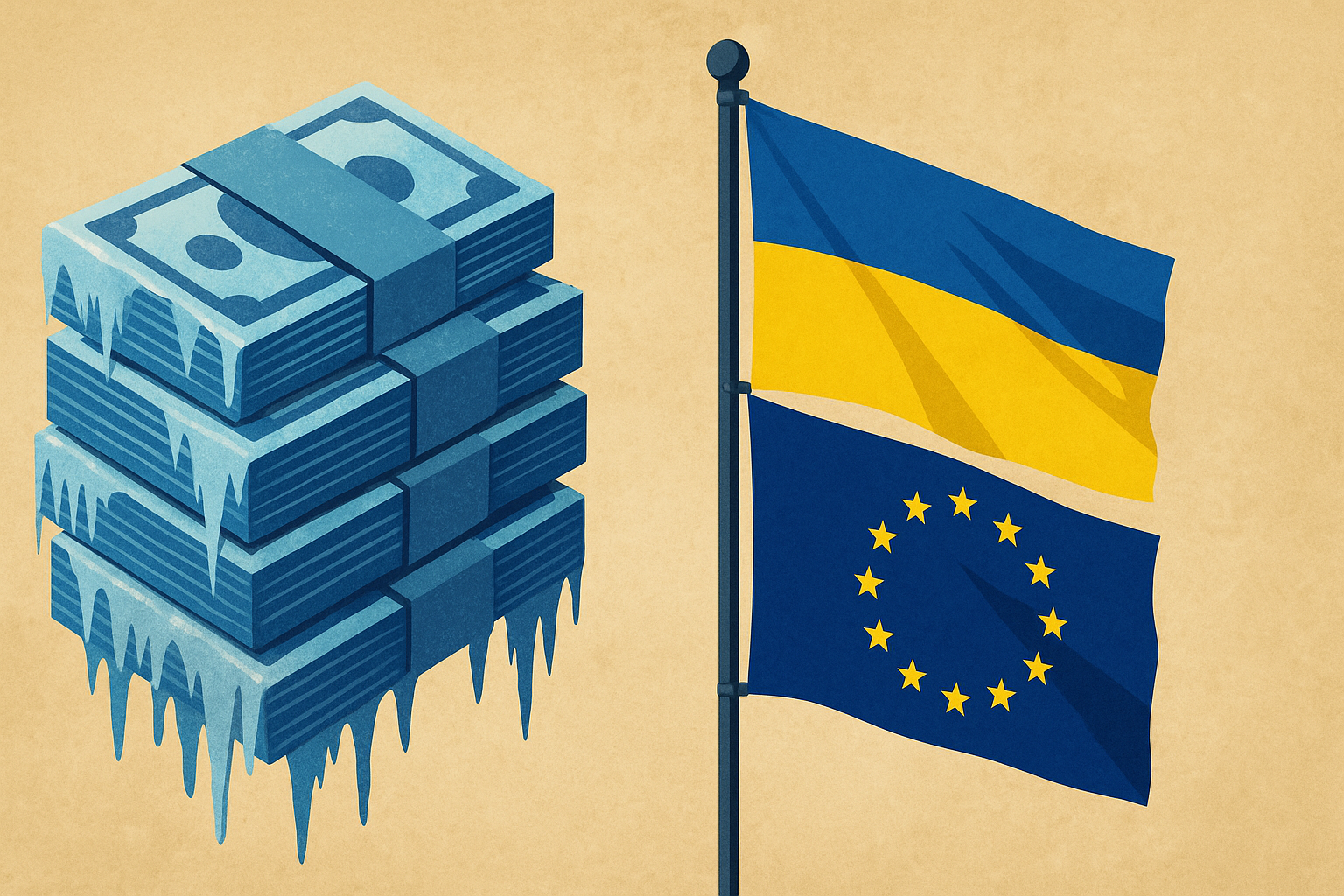
The European Union is considering the use of frozen Russian state assets to support Ukraine as part of critical financing negotiations expected to take place this week, a move that could mark a major escalation in Europe’s economic response to the war.
EU officials say the discussions focus on how to leverage billions of euros in Russian assets currently immobilized under sanctions to help fund Ukraine’s budgetary needs, reconstruction efforts, and potential international missions linked to security and stabilization. While no final decision has been made, the issue has gained renewed momentum amid growing pressure to secure long-term financial support for Kyiv.
A Shift From Freezing to Using Assets
Since the start of the war, the EU and its allies have frozen an estimated €200+ billion in Russian central bank assets, primarily held in European financial institutions. Until now, these assets have remained untouched, with legal and political concerns limiting their use.
However, European policymakers are increasingly debating mechanisms to redirect proceeds or interest generated by these assets — and potentially the assets themselves — toward Ukraine, arguing that Russia should bear financial responsibility for the destruction caused by the war.
Legal and Political Hurdles
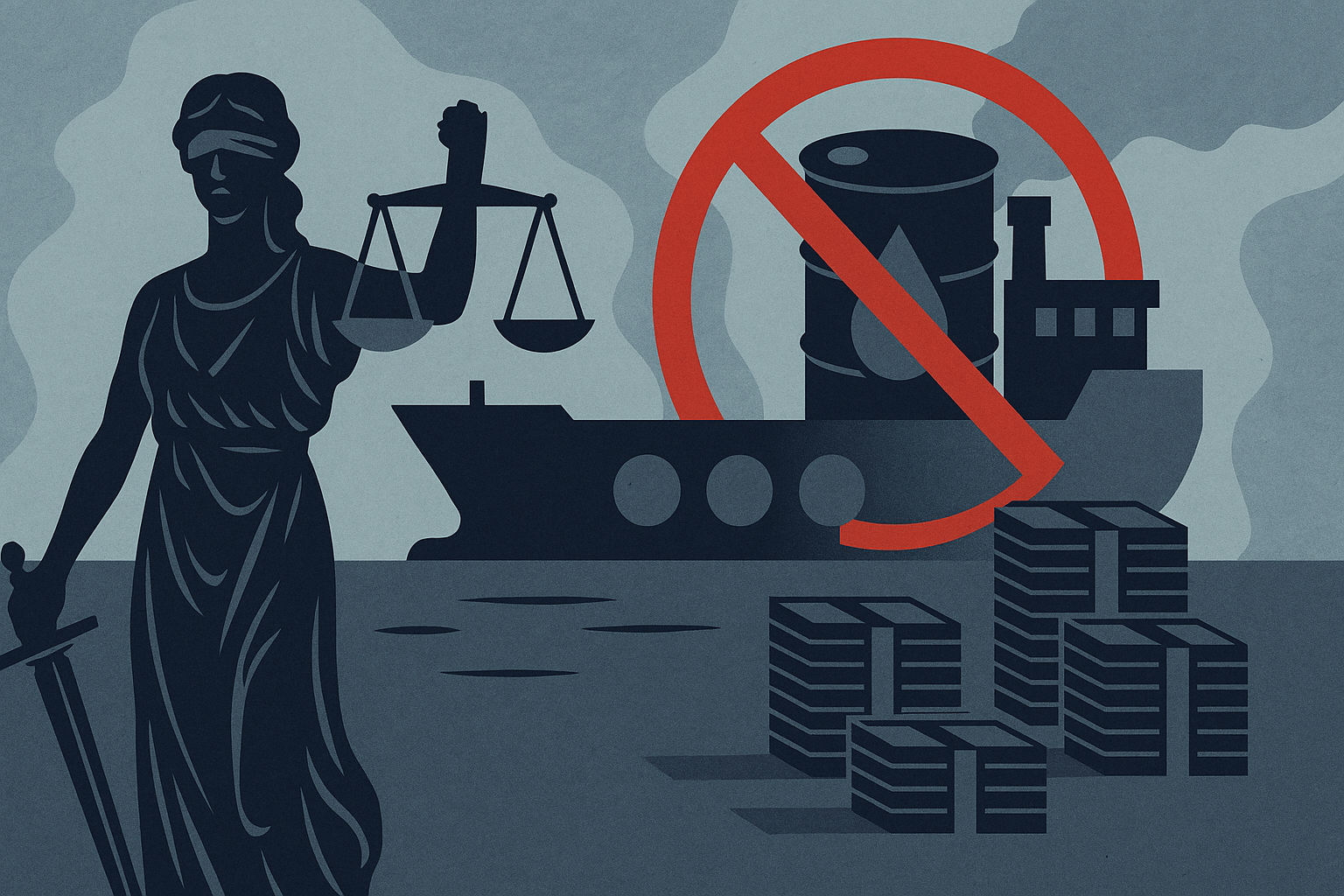
The proposal faces significant legal challenges, including concerns over international law, property rights, and the precedent such a move could set for global financial stability. Some EU member states have expressed caution, warning that outright seizure could expose Europe to retaliation or weaken trust in the eurozone’s financial system.
Others, however, argue that carefully structured measures — such as using profits rather than principal amounts — could balance legal risks with political necessity.
Ukraine and Western Support
For Ukraine, access to additional funding is critical as the war strains public finances and reconstruction costs continue to rise. Western officials see the possible use of frozen Russian assets as a way to reduce the burden on European and U.S. taxpayers while maintaining consistent support for Kyiv.
The issue is expected to feature prominently in upcoming EU meetings and discussions with international partners, including the United States and the G7.
What Comes Next
Negotiators this week are expected to explore technical options, legal safeguards, and political consensus-building ahead of any formal decision. While agreement is far from guaranteed, the renewed debate signals that the EU is moving closer to transforming frozen Russian assets from a symbolic sanction into an active financial tool in support of Ukraine.