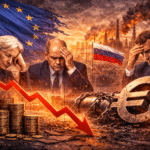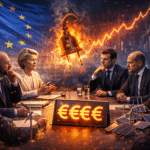


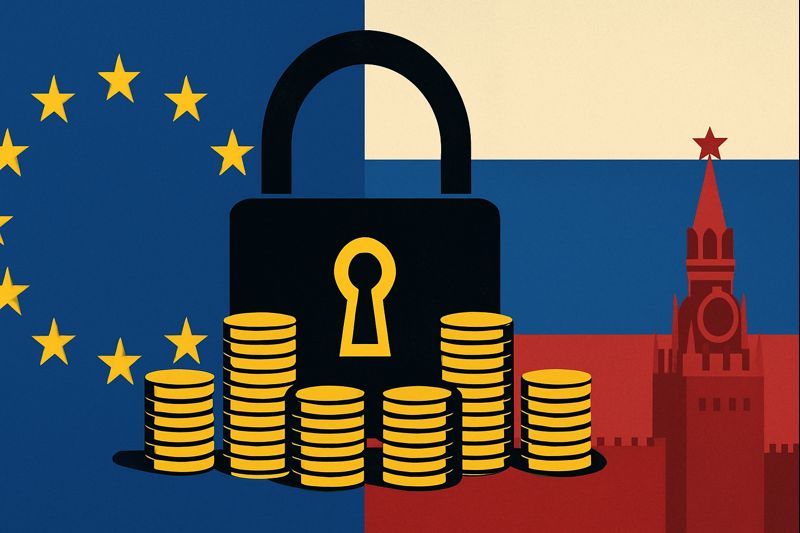
The European Union has taken a significant and unprecedented step by deciding to freeze Russian sovereign assets worth approximately €210 billion indefinitely, a move that deepens Europe’s financial pressure on Moscow as the war in Ukraine continues. The decision, confirmed by European officials, signals a long-term shift in how the EU intends to use economic tools as part of its broader strategy against Russia.
Most of the frozen assets are held within the EU’s financial system, particularly in Belgium, where a large share is managed through international clearing institutions. While these funds have been immobilized since the early stages of the war, the latest decision removes any ambiguity about their status, making the freeze open-ended rather than temporary.
Strategic Message from Brussels
European leaders argue that the move is both legal and necessary, framing it as a response to Russia’s continued military actions and refusal to engage meaningfully in peace efforts. Officials have emphasized that the assets will remain frozen until Russia complies with international law and addresses the damage caused by the war in Ukraine.
At the same time, discussions are ongoing within EU institutions about using the profits generated by these frozen assets—rather than the principal itself—to support Ukraine’s reconstruction, defense, and economic stability. This approach is seen as a compromise aimed at avoiding legal risks while still providing tangible assistance to Kyiv.
Moscow’s Reaction
Russia has strongly condemned the EU’s decision, warning of retaliatory measures. Russian officials have described the asset freeze as “theft” and have threatened legal action as well as potential countermeasures against European investments and assets in Russia. Moscow has also warned that the move could undermine confidence in the European financial system and accelerate efforts by non-Western countries to reduce reliance on Western currencies and institutions.
Divisions and Concerns Inside the EU
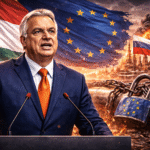
Despite broad agreement on maintaining pressure on Russia, the decision has exposed internal divisions within the EU. Some member states have raised concerns about the legal precedent of indefinitely freezing sovereign assets and the potential long-term impact on Europe’s reputation as a safe destination for global capital. Countries such as Hungary and Slovakia have previously voiced skepticism, urging caution and warning against escalation.
Others, however, argue that the scale of Russia’s actions justifies extraordinary measures, and that failing to act decisively would weaken Europe’s credibility and commitment to Ukraine.
A Turning Point in Financial Warfare
The indefinite freeze of €210 billion in Russian assets marks a turning point in the use of financial sanctions as a strategic weapon. It underscores how the Ukraine war has reshaped global economic norms, blurring the lines between finance, diplomacy, and security.
As the conflict drags on, the frozen assets are likely to remain a central point of tension between Russia and the European Union—symbolizing both Europe’s leverage and the growing fragmentation of the global financial order.