

Several European countries have started reviewing their nuclear defense strategies and early warning systems amid growing geopolitical tensions and concerns over global security. The move reflects increasing anxiety across the continent about the evolving strategic environment and the possibility of wider conflicts that could directly affect Europe.
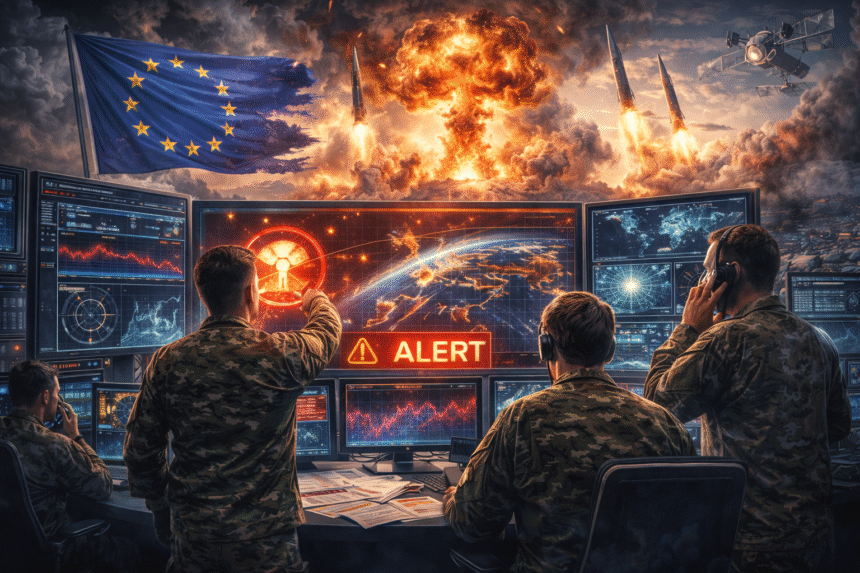
Defense officials in multiple European capitals have confirmed that military planners are reassessing existing defense frameworks to ensure that national and collective security systems remain effective against modern threats. This includes evaluating early warning technologies designed to detect missile launches, strengthening command-and-control systems, and updating response protocols in the event of a nuclear or strategic attack.
The renewed focus on nuclear preparedness comes as global tensions have intensified in several regions, including Eastern Europe and the Middle East. European governments are also closely monitoring developments involving nuclear-armed states and the potential risks posed by advanced missile systems, cyber warfare, and emerging military technologies.
For many NATO members in Europe, nuclear deterrence remains closely linked to the alliance’s strategic framework. NATO’s nuclear sharing arrangements—under which certain European countries host U.S. nuclear weapons and maintain aircraft capable of delivering them—continue to play a role in the alliance’s overall deterrence posture.
At the same time, several governments are investing in modernizing early warning networks that rely on satellites, radar installations, and integrated intelligence systems. These technologies are designed to provide rapid detection of incoming threats and allow decision-makers more time to respond.
European officials emphasize that the reviews are precautionary measures rather than indications of imminent conflict. However, the discussions reflect a broader shift in defense thinking across the continent, where policymakers are increasingly focused on strengthening strategic resilience and preparedness.
Analysts note that the reassessment of nuclear defense plans highlights Europe’s concern about long-term security challenges. As geopolitical rivalries intensify and military technologies evolve, European nations appear determined to ensure that their defense systems remain capable of responding to the most serious threats.
The reviews are expected to continue in coordination with NATO partners, with the goal of maintaining credible deterrence while avoiding actions that could further escalate global tensions.