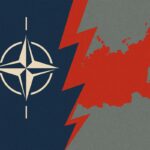


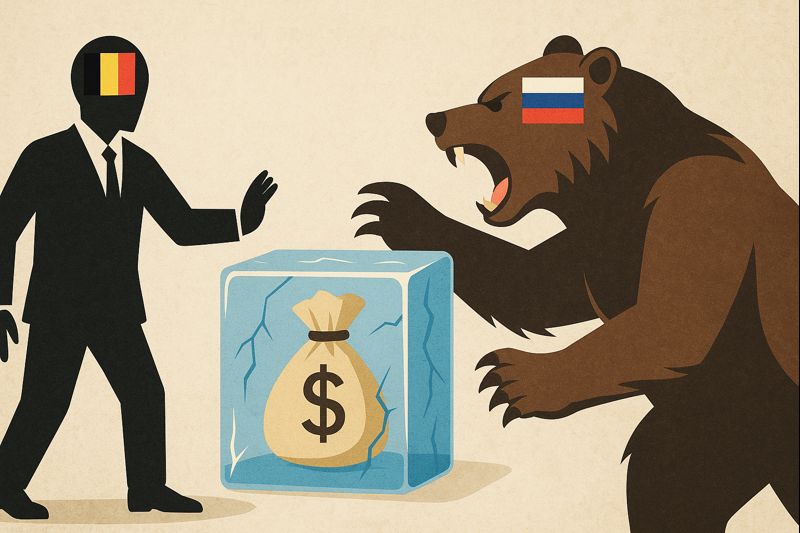
The Russian central bank has launched legal action against a Belgian financial services company over the freezing of billions of dollars’ worth of Russian assets in Europe, marking a new escalation in the financial confrontation triggered by the war in Ukraine.
The lawsuit targets a Brussels-based firm involved in the custody and settlement of financial assets, which Russia claims unlawfully restricted access to funds following European Union sanctions imposed after Moscow’s invasion of Ukraine. Those sanctions led to the freezing of large volumes of Russian state and central bank assets held within EU jurisdictions, a move that has become one of the most contentious economic tools used against Russia.
According to Russian officials, the central bank argues that the asset freeze violates property rights and international financial norms, and that the Belgian company exceeded its legal authority by complying with EU restrictions. The case is expected to test the legal foundations of sanctions enforcement within Europe, particularly the responsibilities and liabilities of private financial institutions acting under government directives.
European authorities, however, maintain that the asset freeze is lawful and consistent with EU sanctions regimes designed to pressure Russia economically and limit its ability to finance the war. Brussels has repeatedly stated that frozen Russian assets will remain inaccessible until Russia ends its aggression and complies with international law. Some EU member states have also discussed the possibility of using profits generated from these frozen assets to support Ukraine’s reconstruction, a proposal that Moscow has strongly condemned.
The lawsuit underscores the growing financial and legal dimensions of the conflict, which now extend far beyond the battlefield. Analysts say Russia’s move is unlikely to result in the immediate release of assets but could complicate legal proceedings, increase uncertainty for financial intermediaries, and heighten tensions between Moscow and European capitals.
As the war drags on, the case highlights how sanctions have evolved into a long-term economic standoff, with courts increasingly becoming arenas for geopolitical disputes. Whether the legal challenge succeeds or not, it signals that Russia is preparing for a prolonged financial confrontation with Europe alongside the ongoing military conflict.