

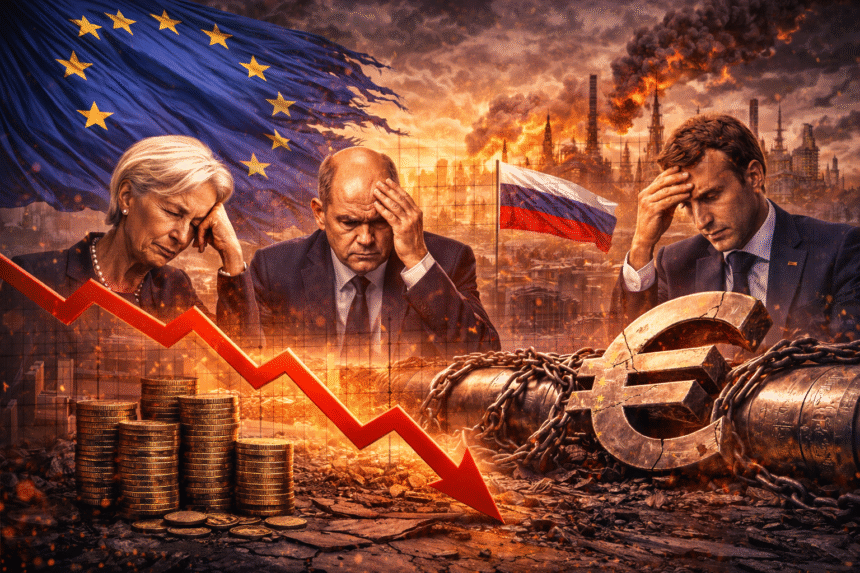
Economic officials across Europe have warned that the continent’s economy is entering a difficult period as rising energy costs, geopolitical tensions, and global market uncertainty continue to challenge economic stability.
Leaders within the European Union say that the current crisis—driven by disruptions in global energy supplies and escalating international conflicts—is putting significant pressure on industries, governments, and consumers throughout the region.
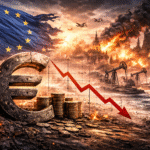
Analysts note that soaring oil and gas prices are increasing production costs for European manufacturers and driving higher transportation and electricity expenses. As a result, inflation risks are rising while economic growth projections in several EU member states are being revised downward.
Officials from the European Central Bank have also expressed concern that prolonged instability could weaken investment and consumer confidence. Higher borrowing costs combined with volatile energy markets may further slow economic recovery in key European economies.
Governments across the continent are considering emergency economic measures, including support for energy-intensive industries, financial assistance for households, and coordinated policies to stabilize energy markets.
Despite the challenges, policymakers insist that Europe’s economic foundations remain resilient. However, they stress that cooperation among EU member states will be essential to navigate the current crisis and prevent long-term economic damage.
Bottom line:
European officials warn that the current geopolitical and energy crisis represents a major economic test for the continent, requiring coordinated policies and long-term strategies to maintain stability and growth.