

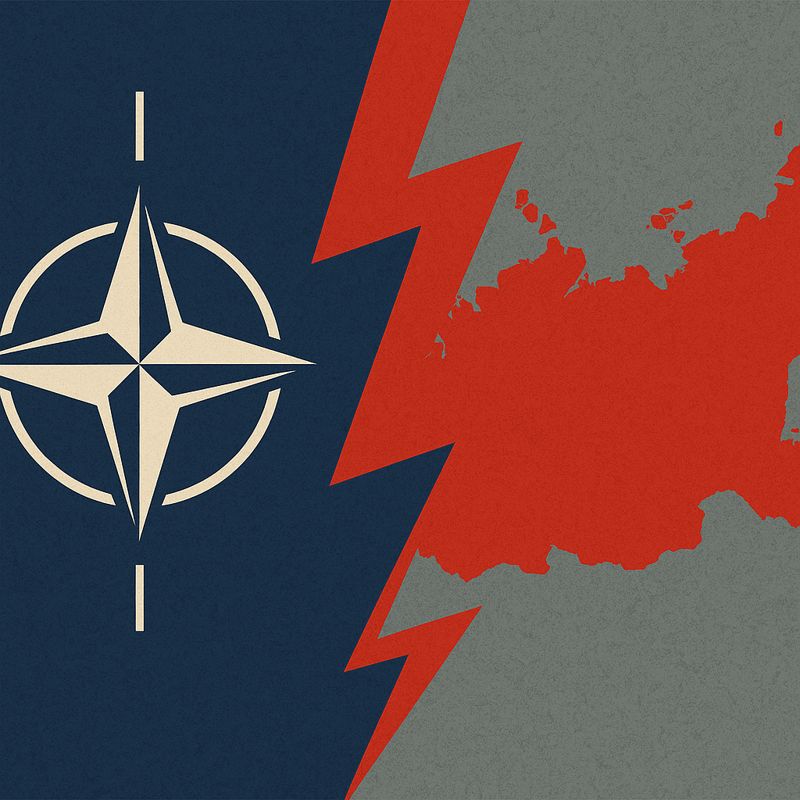
NATO issued stark warnings on Tuesday about an increasingly imminent Russian threat to European security, underscoring growing concerns within the alliance over Moscow’s military posture, hybrid tactics, and long-term strategic intentions. The remarks, delivered by senior NATO officials, reflect a heightened sense of urgency as the war in Ukraine continues to reshape Europe’s security landscape.
According to NATO statements, Russia is not only sustaining its military operations in Ukraine but is also rebuilding and adapting its forces at a pace that could pose a direct risk to other parts of Europe in the coming years. Alliance officials highlighted increased Russian defense spending, intensified military production, and expanded cooperation with non-Western partners as indicators of long-term confrontation rather than short-term conflict.
Beyond conventional military threats, NATO warned of escalating hybrid warfare, including cyberattacks, disinformation campaigns, sabotage of critical infrastructure, and attempts to destabilize European societies politically and economically. Officials stressed that these tactics are already being used to test NATO’s resilience and unity without triggering a direct military response.
The alliance reiterated that it does not seek confrontation with Russia but emphasized that deterrence and defense must be strengthened. NATO leaders pointed to recent steps such as reinforcing the alliance’s eastern flank, increasing troop readiness, expanding air and missile defense capabilities, and boosting defense spending among member states.
Support for Ukraine remains central to NATO’s security strategy, with officials arguing that a Russian victory would significantly increase the threat to Europe as a whole. “What happens in Ukraine does not stay in Ukraine,” one senior NATO official noted, warning that failure to contain Russian aggression could embolden further actions beyond Ukrainian borders.
As European governments assess the implications of NATO’s warning, the statements are expected to influence upcoming defense planning, budget decisions, and strategic debates across the continent. The message from the alliance was clear: Europe faces a more dangerous and unpredictable security environment, and preparedness can no longer be postponed.