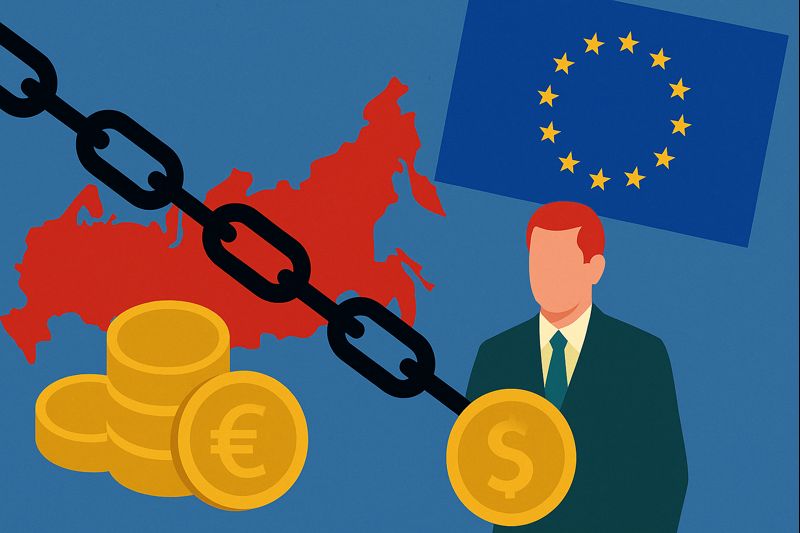
Ireland’s Finance Minister has confirmed that European governments are preparing to take concrete steps in the coming days to freeze Russian state-linked assets, marking a major shift in Europe’s financial response to Russia’s ongoing war in Ukraine.
Speaking at a press briefing in Brussels, the minister said that EU member states have reached “broad political agreement” on using immobilised Russian funds as part of a long-term strategy to help Ukraine sustain its defense and rebuild its war-damaged infrastructure.
A Significant Financial Move by Europe
The plan, which is expected to be finalized soon, involves freezing Russian central bank assets held across Europe and channeling the financial returns or interest generated from those holdings toward Ukraine. This approach is seen as a compromise solution that avoids directly seizing sovereign funds — a move that could raise legal challenges — while still providing meaningful economic support to Kyiv.
European officials estimate that tens of billions of euros in Russian state assets are currently immobilized within the EU, and unlocking the financial benefits of these assets could provide a steady funding stream for Ukraine’s military, government operations, and reconstruction projects.
Political Momentum Builds Across the EU
The Irish Finance Minister noted increasing unity among European nations, saying the bloc “cannot delay action” as Ukraine continues to face intense Russian attacks. Several countries, including the Baltic states and Poland, have been pushing for even stronger measures, while others have urged caution to avoid escalating legal disputes with Moscow.
Despite internal debates, EU leaders now appear determined to move quickly. The minister emphasized that Ukraine’s financial stability is essential not only for its resistance on the battlefield but also for maintaining critical public services and civilian infrastructure.
Legal and Diplomatic Challenges Remain
While political momentum is strong, efforts to leverage Russian assets have triggered concerns among legal experts. Some warn that aggressive measures could set precedents affecting global financial systems and sovereign immunity protections.
However, EU attorneys are working on mechanisms that would allow the bloc to act without violating international law, likely by targeting profits generated from the frozen assets rather than the underlying funds.
Russian officials have already condemned the plan, calling it “theft” and threatening retaliatory measures, though analysts say Moscow has limited leverage over European financial institutions.
A Lifeline for Ukraine
For Ukraine, the move represents a vital source of financial support at a time when Western funding packages face political delays. The Irish Minister stressed that Europe must “do everything possible” to ensure Kyiv receives consistent aid as the war enters another difficult winter.
The upcoming EU measures could become one of the most significant economic actions taken against Russia since the start of the invasion — reinforcing Europe’s commitment to Ukraine while intensifying pressure on Moscow’s financial system.