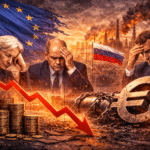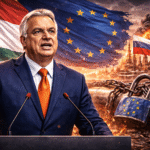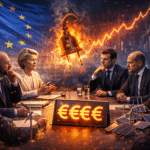


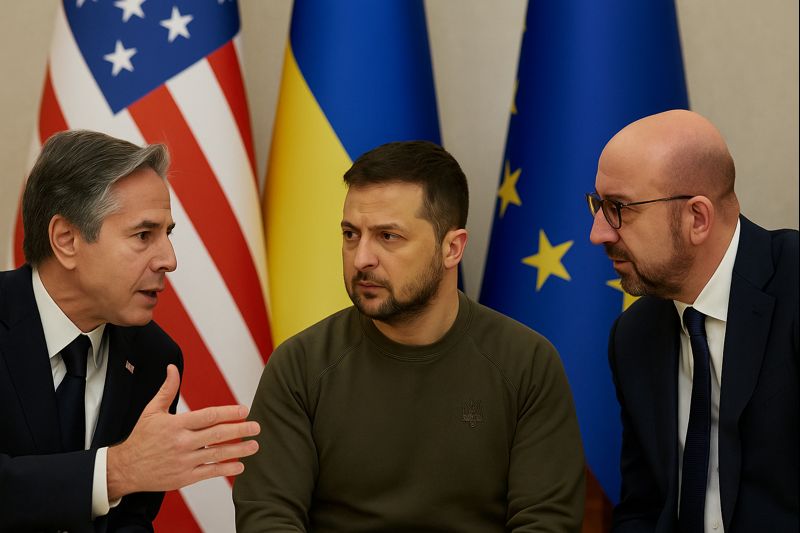
Diplomatic activity has accelerated sharply between Europe, the United States, and Ukraine as leaders race to contain the crisis in Eastern Europe and explore possible pathways toward de-escalation. A flurry of high-level meetings, phone calls, and back-channel discussions reflects growing urgency amid prolonged fighting, mounting economic strain, and rising security risks across the continent.
European capitals have been hosting near-continuous consultations with U.S. officials and Ukrainian representatives, focusing on military assistance, financial support, and potential diplomatic frameworks that could stabilize the situation without undermining Ukraine’s sovereignty. Officials describe the talks as complex and delicate, with little room for miscalculation.
Washington remains deeply involved, coordinating closely with European allies while maintaining direct engagement with Kyiv. U.S. officials have emphasized the need to sustain transatlantic unity, arguing that any political or security arrangement must be negotiated with Ukraine’s consent and backed by credible enforcement mechanisms.
At the center of the discussions are security guarantees, territorial control, and the long-term architecture of European defense. European leaders are increasingly concerned that a prolonged conflict could weaken regional stability, strain national budgets, and test public support for continued assistance to Ukraine.
Ukraine, meanwhile, has signaled openness to diplomatic engagement while maintaining firm red lines. Ukrainian officials insist that any solution must preserve territorial integrity, prevent renewed aggression, and avoid repeating past arrangements that failed due to weak guarantees or lack of accountability.
The diplomatic push also reflects broader geopolitical calculations. European governments are weighing how the conflict reshapes relations with Russia, the future of NATO’s eastern flank, and the EU’s role as a security actor. For many policymakers, the crisis has underscored the need for Europe to act with greater strategic cohesion.
Despite the intensity of the talks, officials caution that expectations should remain realistic. No comprehensive breakthrough appears imminent, and disagreements persist over the sequencing of ceasefire measures, security commitments, and economic arrangements.
As diplomacy enters a critical phase, the stakes remain high. The outcome of these negotiations will not only shape the future of Ukraine, but also define the balance of power and security order in Eastern Europe for years to come.