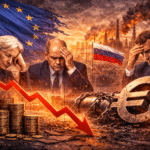


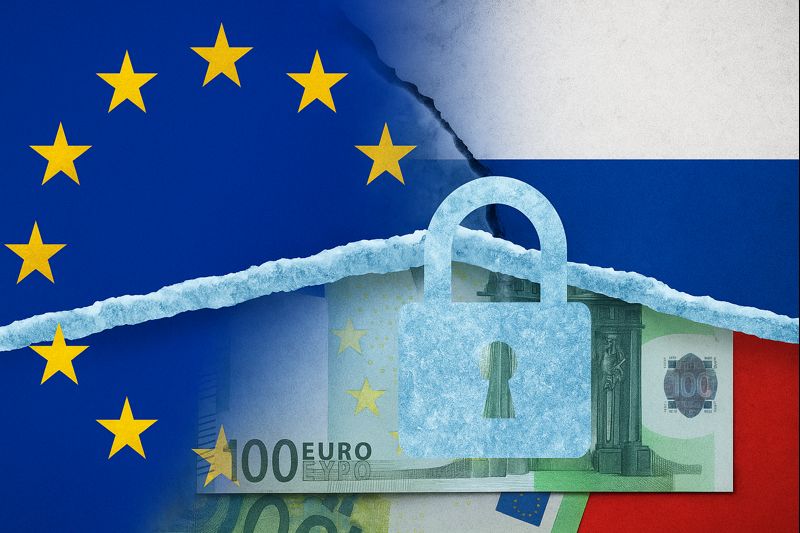
The European Union is moving forward with plans to impose a “final freeze” on approximately €210 billion in Russian sovereign assets, a step intended to secure long-term financial support for Ukraine but one that has sparked criticism and political resistance from several EU member states, notably Hungary and Slovakia.
The assets, primarily held in European financial institutions since the start of Russia’s invasion of Ukraine, have already been frozen under EU sanctions. The new proposal aims to make the freeze legally irreversible, preventing any future release of the funds and allowing the EU to use profits or mechanisms linked to the assets to finance Ukraine’s reconstruction, defense, and economic stabilization.
EU officials argue that the move is necessary to provide predictable and sustainable funding for Ukraine as the war drags on and international donor fatigue grows. They emphasize that Russia, as the aggressor, should bear financial responsibility for the destruction caused by the conflict.
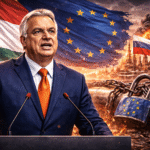
However, the plan has drawn objections from countries such as Hungary and Slovakia, which warn that a permanent freeze could raise serious legal and political concerns. Critics argue that such a step risks violating international financial norms, undermining property rights, and setting a precedent that could weaken confidence in the eurozone’s financial system.
Hungarian officials, in particular, have cautioned that the decision could expose the EU to legal challenges and retaliatory measures, while Slovakia has expressed concerns about long-term economic and diplomatic consequences. Both countries have called for caution and further legal safeguards before proceeding.
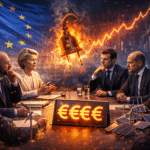
To bypass potential vetoes, EU policymakers are reportedly exploring legal frameworks that would prevent individual member states from blocking the measure, highlighting growing divisions within the bloc over how far to go in confronting Russia economically.
Despite the pushback, major EU powers have voiced strong support for the initiative, viewing it as both a strategic and moral imperative. They argue that maintaining pressure on Russia while reinforcing Ukraine’s resilience is essential to European security.
As debates continue, the proposed “final freeze” underscores a broader shift in the EU’s approach—from temporary sanctions toward long-term economic containment—reflecting the reality that the war in Ukraine is reshaping Europe’s legal, financial, and geopolitical landscape.