

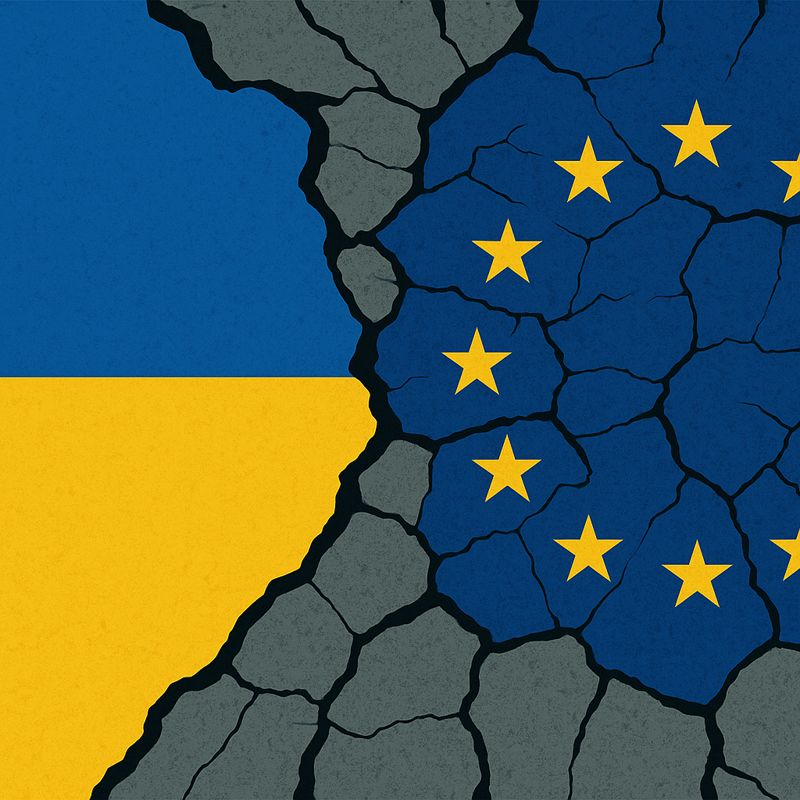
New reports indicate growing skepticism among European officials over the feasibility of Ukraine joining the European Union by 2027, despite the date being floated in some peace proposals linked to ending the war with Russia. While the idea has symbolic and political appeal, many policymakers in Brussels and key EU capitals view the timeline as unrealistic given the scale of reforms and geopolitical challenges involved.
Ukraine was granted EU candidate status in 2022, a landmark move that signaled strong political support from the bloc amid the ongoing conflict. Since then, Kyiv has accelerated legislative and institutional reforms, particularly in areas related to governance, anti-corruption measures, and alignment with EU law. However, EU officials stress that full membership requires meeting strict economic, legal, and political criteria that typically take many years—if not decades—to complete.
According to diplomats familiar with internal discussions, concerns center on Ukraine’s capacity to implement comprehensive reforms while still at war, as well as the EU’s own readiness to absorb a large, war-affected country with significant reconstruction needs. Issues such as judicial independence, rule of law, market regulation, and agricultural policy alignment remain major hurdles.
There is also unease among some member states about setting a firm accession date within peace frameworks, fearing it could politicize the enlargement process or create expectations that the EU may not be able to meet. “Support for Ukraine’s European future is strong,” said one senior European official, “but accession is a technical and legal process, not just a political promise.”
Despite the doubts, EU leaders continue to emphasize that Ukraine’s long-term path toward membership remains open and supported. Brussels is expected to focus instead on phased integration measures, such as deeper access to the single market, increased funding, and closer institutional cooperation, rather than a fixed accession deadline.
As peace discussions evolve, analysts say Ukraine’s EU aspirations will remain a central political pillar, even if the 2027 target increasingly looks aspirational rather than achievable.