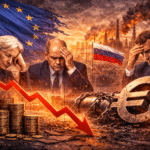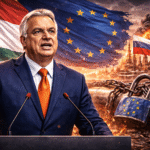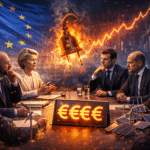


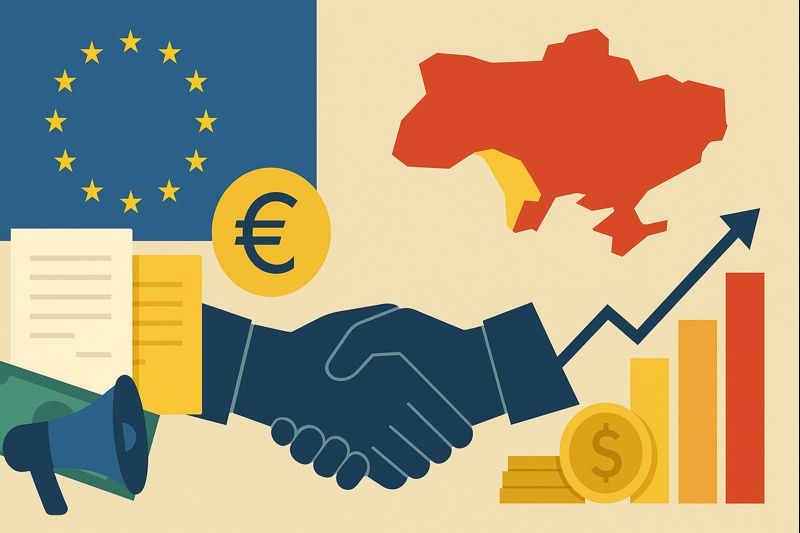
European leaders resumed a new round of high-level negotiations this week, focusing on reshaping trade and economic policy while simultaneously addressing the ongoing Ukraine–Russia crisis that continues to dominate the continent’s security agenda. The discussions, held in Brussels, brought together representatives from EU member states, economic institutions, and foreign policy officials seeking a coordinated response to the region’s growing geopolitical and financial challenges.
Trade and Economic Policy at the Forefront
A central theme of the meetings was the EU’s long-term economic strategy, particularly how the bloc can strengthen supply chains, boost industrial competitiveness, and reduce dependence on external markets for key technologies and raw materials.
Officials emphasized that Europe must accelerate efforts to modernize its trade agreements, secure energy partnerships, and reinforce economic resilience in order to adapt to an increasingly volatile global market.
Talks also touched on industrial policy reforms, green transition financing, and the introduction of mechanisms to protect European industries from unfair competition — particularly in the wake of rising global protectionism.
Ukraine–Russia Crisis Dominates Political Discussions
Despite the economic focus, the Ukraine–Russia crisis remained the most pressing issue. Diplomats discussed new frameworks for military and financial support to Kyiv, including potential allocations from frozen Russian assets and expanded defense coordination among EU states.
European officials expressed concern that the conflict is entering a critical phase, with Ukraine requiring stable long-term assistance and Russia intensifying hybrid tactics across the continent.
The talks also explored diplomatic avenues and the conditions under which future peace negotiations could take place, though leaders stressed that any settlement must respect Ukraine’s sovereignty and territorial integrity.
Balancing Economic Pressures with Security Realities
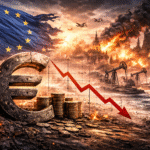
The intertwining of economic and security concerns has become increasingly evident in European policymaking. Rising energy costs, inflation pressures, and supply-chain disruptions — many linked to the conflict — have pushed EU governments to reassess their economic priorities.
Several member states urged the bloc to create more flexible financial tools to support countries hit hardest by the crisis, while others called for stricter coordination on sanctions to ensure unified pressure on Moscow.
A Difficult but Necessary Coordination Effort
While progress was made in several areas, officials admitted that significant differences remain between member states, particularly regarding the scale of support for Ukraine and the direction of future trade liberalization.
However, the overall tone of the negotiations suggested a shared understanding that Europe must present a united front in both economic strategy and geopolitical posture.
EU leaders are expected to reconvene in the coming weeks to finalize concrete policy proposals, with the goal of strengthening Europe’s economic foundations while maintaining unwavering support for Ukraine.