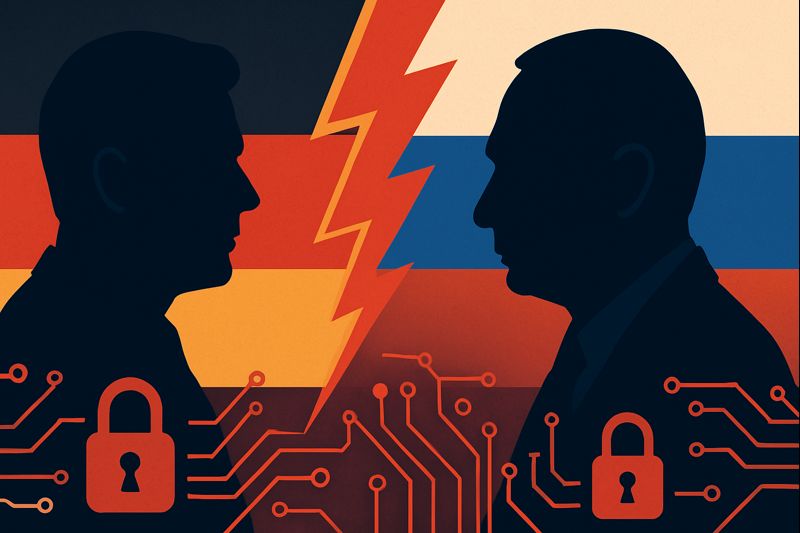
Diplomatic relations between Germany and Russia have entered a new phase of tension after Berlin summoned the Russian ambassador, accusing Moscow of orchestrating a covert campaign of political sabotage inside Germany. The move reflects growing alarm within Europe’s largest economy over alleged cyber interference, disinformation efforts, and broader security threats linked to Russian state actors.
According to German officials, the summons was prompted by mounting intelligence assessments suggesting that Russian-linked networks have been involved in attempts to destabilize Germany’s political environment. These activities are believed to include cyberattacks on critical infrastructure, targeted disinformation campaigns aimed at influencing public opinion, and covert operations designed to undermine democratic institutions.
German authorities emphasized that such actions, if confirmed, represent a serious violation of national sovereignty and international diplomatic norms. Berlin has increasingly warned that hybrid warfare tactics—combining cyber operations, information manipulation, and political pressure—pose a long-term threat not only to Germany but to Europe as a whole.
The allegations come amid already strained relations between Berlin and Moscow due to the war in Ukraine, European sanctions on Russia, and Germany’s expanded role in supporting Kyiv militarily and financially. Security officials note that Germany’s position as a key political and economic power within the European Union makes it a prime target for foreign interference.
Russia has repeatedly denied accusations of political sabotage and cyber interference in European countries, often dismissing such claims as politically motivated or lacking evidence. However, European governments have grown increasingly unified in their assessment that Russia is pursuing destabilization strategies across the continent, particularly through non-military means.
The incident is expected to further complicate diplomatic engagement between Germany and Russia, with Berlin signaling that it may consider additional countermeasures, including tighter cybersecurity regulations, increased intelligence cooperation with European partners, and possible diplomatic repercussions.
As Europe faces heightened geopolitical uncertainty, the confrontation underscores a broader shift in how states perceive and respond to modern security threats—where the battlefield increasingly extends into cyberspace, public discourse, and democratic institutions themselves.