


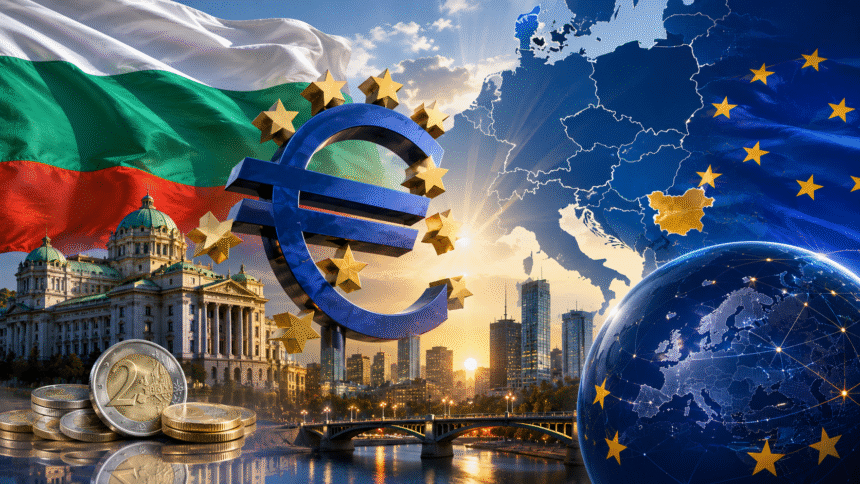
Bulgaria is continuing its economic and financial integration into the eurozone following its official adoption of the euro at the beginning of 2026. The country became the 21st member of the single European currency area, marking a historic milestone in its long-term path toward deeper European integration.
Since joining the eurozone, Bulgarian authorities have been working closely with European institutions to ensure a smooth transition for businesses, consumers, and financial markets. The adoption of the common currency is expected to strengthen economic stability, improve investor confidence, and facilitate trade with other eurozone members.
Government officials have highlighted the benefits of membership, including lower transaction costs, greater financial integration, and easier access to capital markets. Businesses operating across Europe are expected to benefit from the elimination of currency exchange risks when trading with partners in the euro area.
Supporters of the move argue that eurozone membership will help attract foreign investment by providing greater monetary stability and reinforcing Bulgaria’s position within the European Union. They also point to the country’s improved access to European financial mechanisms and closer participation in economic decision-making processes.
At the same time, policymakers remain focused on managing the practical aspects of the transition, including price monitoring, public awareness campaigns, and ensuring that financial institutions continue to adapt smoothly to the new currency environment. Authorities have pledged to closely monitor inflation and consumer prices during the adjustment period.
Economists note that the long-term success of Bulgaria’s euro adoption will depend on maintaining fiscal discipline, encouraging economic growth, and improving productivity. While challenges remain, many analysts view membership as a significant step toward deeper economic convergence with the rest of the European Union.
As Bulgaria advances through its first year in the eurozone, European officials are watching closely, viewing the country’s integration as an important example of the continuing evolution and expansion of the single currency project across Europe.