


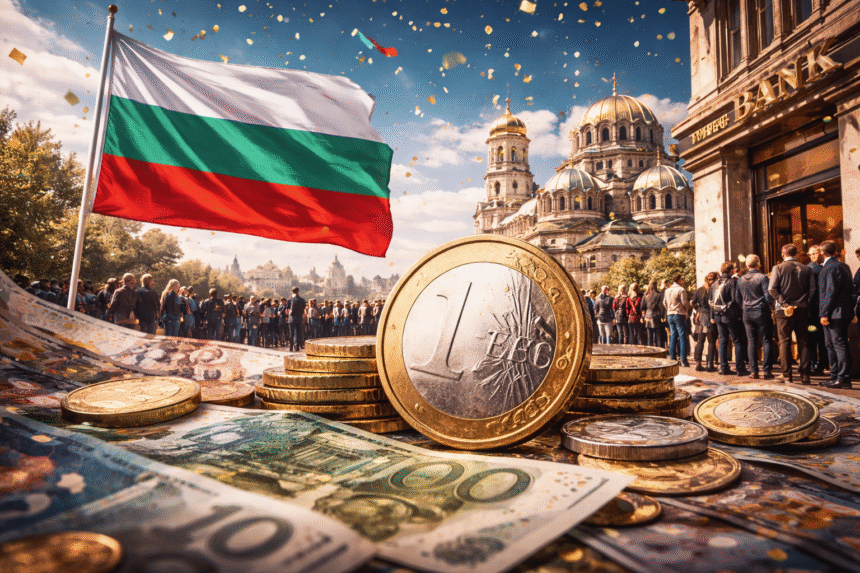
Bulgaria officially adopted the euro as its national currency today, becoming the 21st country in the European Union to join the eurozone and marking one of the most significant financial transitions in the nation’s modern history.
The switch took effect at midnight, replacing the Bulgarian lev, which had been pegged to the euro for decades. Authorities said the transition aims to deepen Bulgaria’s integration into Europe’s financial system, strengthen investor confidence, and stabilize long-term growth.
A Long Path to Adoption
Bulgaria had targeted eurozone entry for years but faced repeated delays tied to inflation, banking reforms, and political uncertainty. With economic indicators finally aligning and reforms implemented, the European Commission gave its approval last year.
Prime Minister and central bank officials hailed the move as a “strategic milestone,” stressing that joining the common currency brings Bulgaria closer to the economic core of the EU.
Dual Pricing — and Public Concerns
For the coming months, prices will be displayed in both lev and euro to ease the transition and reduce confusion.
However, many citizens worry the change could trigger price increases, as seen in some countries during previous transitions. Regulators say they will closely monitor pricing and impose penalties on companies engaging in unjustified markups.
“The euro brings opportunities, but also responsibilities,” the finance minister said.
“We will not tolerate abuse.”
What Changes — and What Stays the Same
- Bank deposits automatically converted to euros
- Wages, pensions, and contracts recalculated at the fixed exchange rate
- ATMs and payment systems updated nationwide
Because the lev was already tightly linked to the euro, analysts expect minimal financial shock, though short-term adjustment challenges remain.
Economic and Political Signal
Economists argue the move strengthens Bulgaria’s credibility with investors and gives businesses easier access to European markets. Membership also grants Bulgaria representation in key eurozone financial institutions.
At the same time, critics warn that Bulgaria loses control over independent monetary policy — placing greater importance on fiscal discipline and structural reforms.
A Symbolic Step Forward
For many Bulgarians, euro adoption represents more than a currency shift: it signals a deeper commitment to European integration decades after the end of communist rule.
Ceremonies across the country marked the first day of the transition, as citizens lined up at banks and shops to use the new currency for the first time.