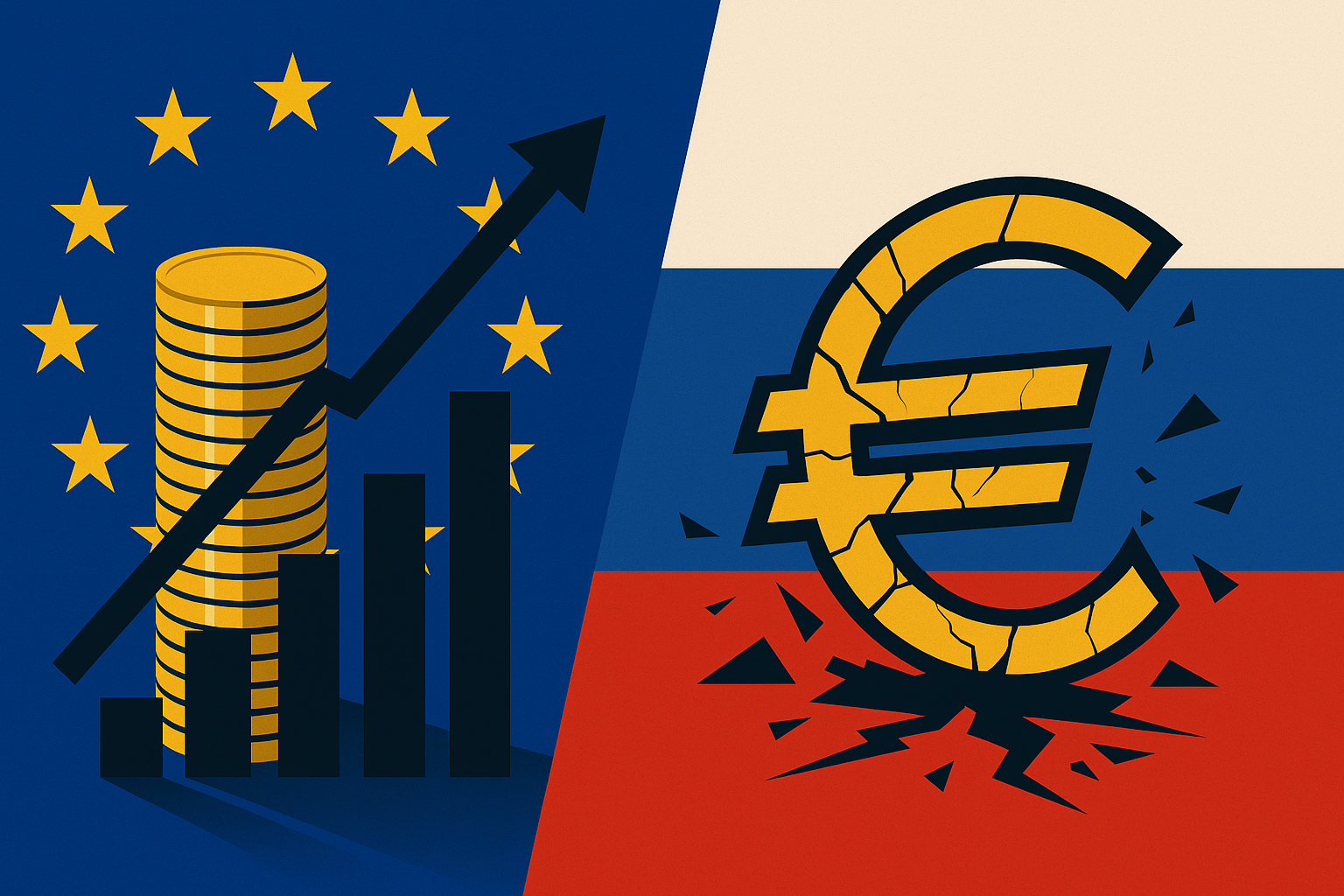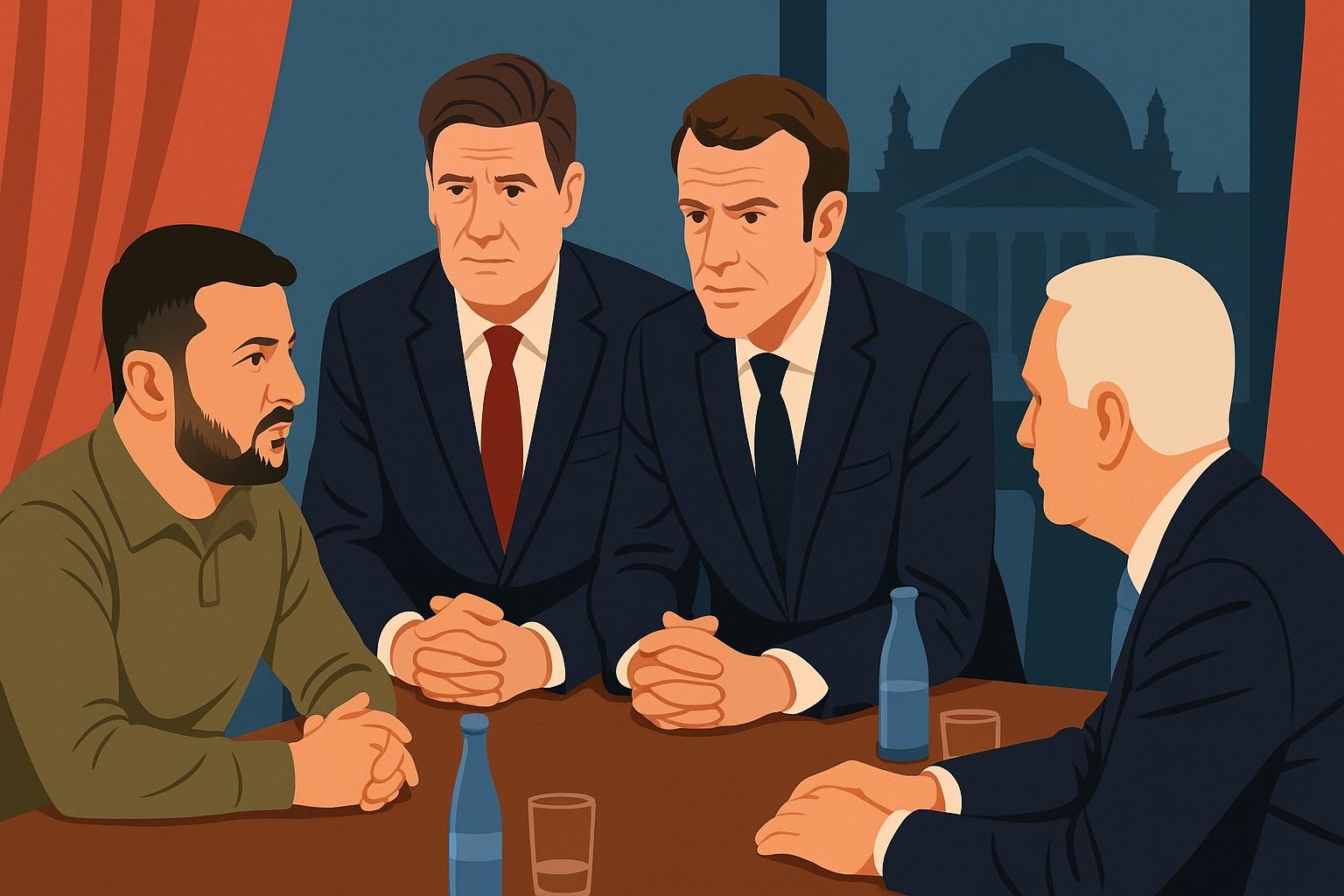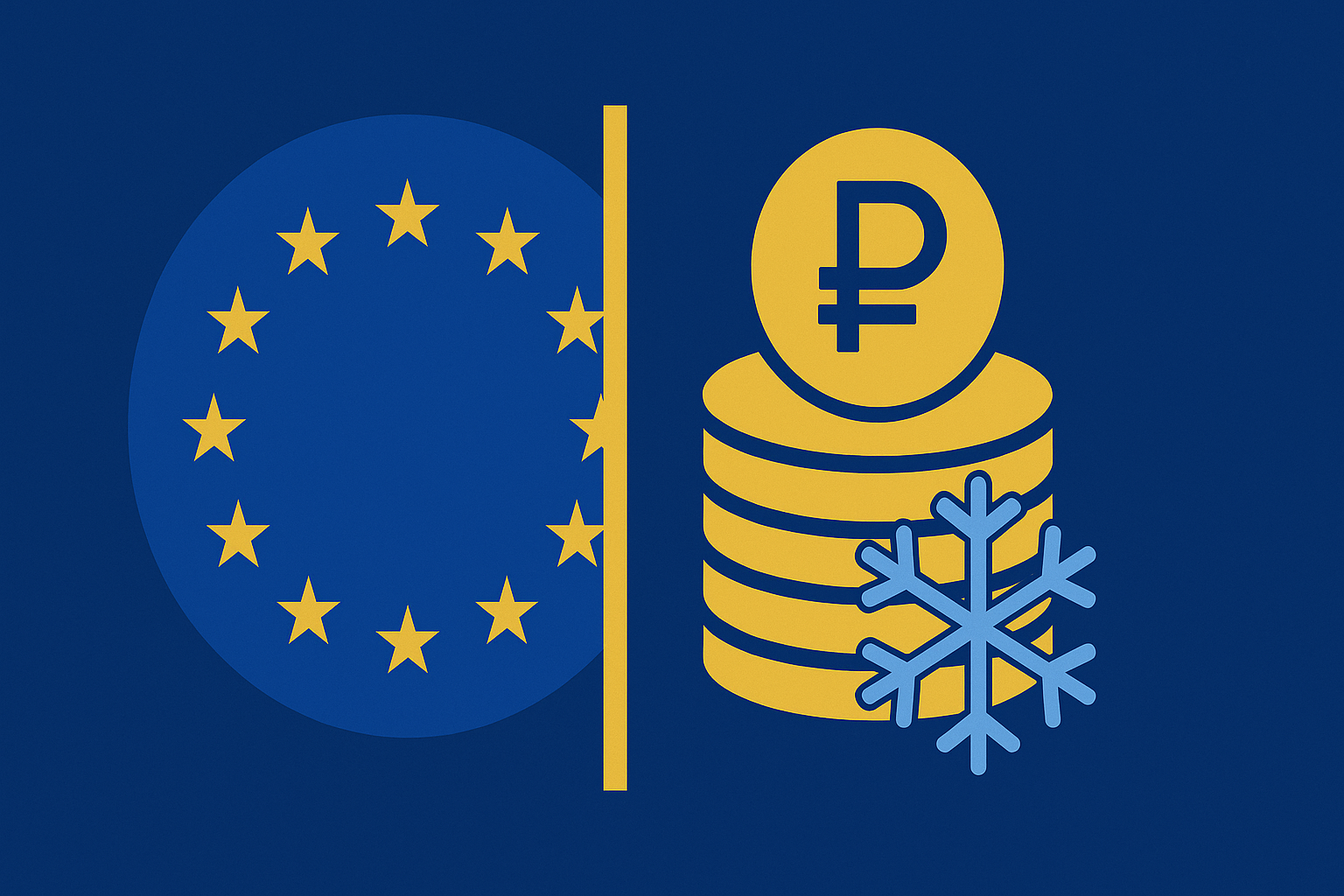
The European Union has taken a decisive step in its response to the war in Ukraine by permanently freezing around €210 billion in Russian state assets, a move designed to prevent internal vetoes and ensure continued financial support for Kyiv. The decision marks one of the most significant economic measures adopted by the bloc since the start of the conflict.
Most of the frozen assets are held within EU jurisdictions, particularly in Belgium, and consist largely of Russian central bank reserves. By shifting from a renewable or temporary freeze to a permanent legal framework, the EU aims to block the possibility that individual member states—such as Hungary or Slovakia, which have expressed reservations about further escalation—could use veto powers to reverse or weaken the measure in the future.
EU officials say the move is intended to guarantee long-term funding for Ukraine, especially for reconstruction, budgetary support, and military assistance, while remaining within the boundaries of international and European law. Rather than directly confiscating the assets, the EU plans to use the profits and interest generated from them to finance aid to Ukraine, a legal workaround designed to limit exposure to lawsuits and retaliation.
The decision has sparked debate within Europe. Supporters argue that Russia must bear financial responsibility for the destruction caused by the war and that the assets represent a legitimate source of support for Ukraine. Critics, however, warn that the precedent could undermine trust in Europe as a safe destination for sovereign reserves and provoke legal challenges or retaliatory measures from Moscow.
Russia has strongly condemned the move, calling it “economic theft” and warning of consequences for European assets and companies operating in or connected to Russia. Legal action by Russian institutions is widely expected, potentially dragging the dispute into international courts for years.
Despite the controversy, EU leaders insist the step sends a clear political message: European support for Ukraine is not temporary or symbolic, but strategic and long-term. By locking in the freeze, the EU signals that internal divisions will not derail its stance on Ukraine, even as the war drags on and diplomatic efforts continue in parallel.