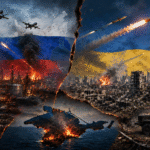


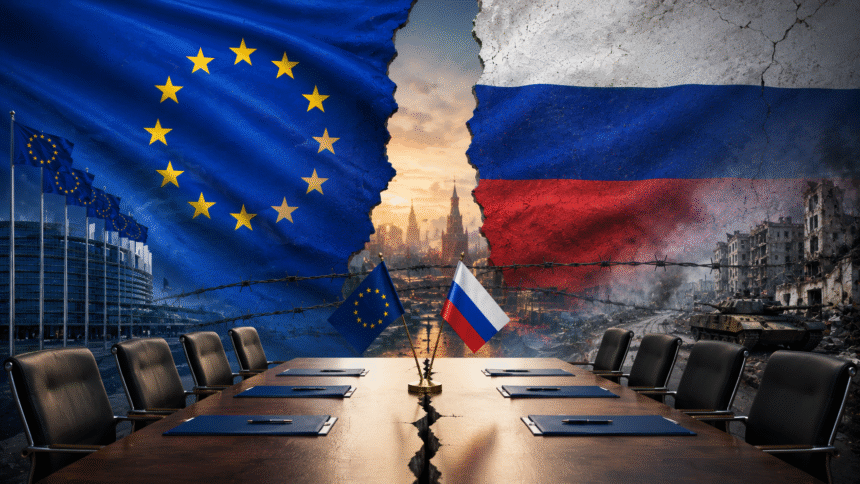
Divisions continue to emerge within the European Union regarding the future of relations with Russia and the possibility of launching direct negotiations over the war in Ukraine, as senior European officials maintain that the conditions for formal talks with Moscow have not yet been met.
The European Union’s top foreign policy official confirmed that Brussels does not currently believe the time is right to begin direct negotiations with Russia concerning the conflict in Ukraine, despite ongoing diplomatic efforts across Europe aimed at supporting any credible peace initiative.
The statement reflects the growing debate inside Europe over how to balance continued support for Ukraine with increasing calls from some political voices for stronger diplomatic engagement to prevent a prolonged conflict.
European leaders remain publicly united in backing Ukraine militarily, financially, and politically. However, behind the scenes, discussions continue regarding the long-term strategy toward Moscow and the possibility of future negotiations if conditions change on the battlefield or through international mediation efforts.
European officials stressed that any meaningful peace talks would require clear signs of seriousness from Russia, including commitments related to ceasefire arrangements, respect for international law, and guarantees regarding Ukraine’s sovereignty and territorial integrity.
Several EU member states, particularly those closer to Eastern Europe, continue to oppose any premature negotiations with Moscow, arguing that direct talks without strong guarantees could weaken Ukraine’s position and embolden Russia strategically.
At the same time, some political figures and diplomatic circles within Europe have increasingly raised concerns about the economic and security consequences of a prolonged war, especially as Europe faces ongoing pressure related to defense spending, energy security, inflation, and regional stability.
The European Union has continued supporting diplomatic channels involving international mediators and global partners, while insisting that Ukraine itself must remain central to any future negotiations regarding the conflict.
Analysts say the controversy highlights deeper differences within Europe over how to manage relations with Russia in the long term. While some governments favor maintaining maximum political and economic pressure on Moscow, others believe diplomatic engagement may eventually become necessary to prevent further escalation.
The debate also comes amid growing international discussions about possible ceasefire frameworks and diplomatic initiatives supported by countries outside Europe. Nevertheless, EU officials insist that no serious negotiations can begin unless there is genuine willingness from all sides to pursue a sustainable political solution.
Russia has repeatedly criticized European military support for Ukraine and accused Western governments of prolonging the conflict. Meanwhile, European leaders argue that continued support for Kyiv remains necessary to preserve regional security and deter future aggression.
Despite differing opinions within the European Union, European diplomacy continues to focus on maintaining unity among member states while supporting efforts aimed at eventually reaching a negotiated end to the war.
The coming months may prove critical in determining whether diplomatic momentum increases or whether military developments on the ground continue to dominate the course of the conflict between Russia and Ukraine.