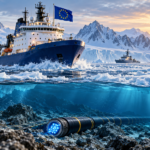


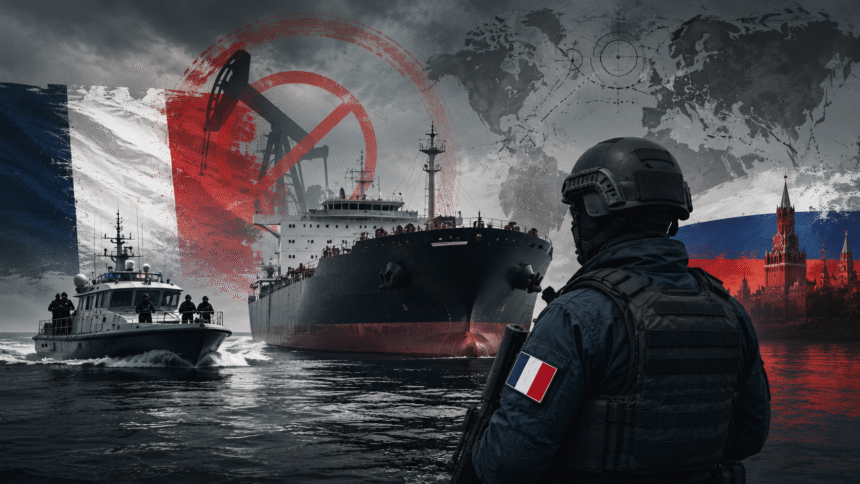
French authorities announced the detention of an oil tanker suspected of being part of the so-called Russian “shadow fleet,” a network of vessels allegedly used to bypass Western sanctions imposed on Russian oil exports since the start of the war in Ukraine.
According to French officials, the tanker was intercepted during inspections carried out near French territorial waters after intelligence reports raised concerns over its ownership structure, cargo origin, and shipping documentation. Authorities believe the vessel may have been operating through complex shell companies and indirect trade routes designed to conceal links to Russian energy exports.
The incident immediately triggered strong reactions from Moscow. The Kremlin condemned the move, describing it as “international piracy” and accusing Western countries of attempting to illegally interfere with global maritime trade. Russian officials warned that such actions could further escalate tensions between Russia and European nations already strained by sanctions and the ongoing conflict in Ukraine.
The term “shadow fleet” has increasingly been used by Western governments to describe aging tankers and shipping networks allegedly helping Russia continue exporting oil despite restrictions imposed by the European Union, the United States, and G7 countries. These ships often operate under foreign flags, frequently change ownership, disable tracking systems, or conduct ship-to-ship transfers at sea to obscure the origin of cargo.
European officials argue that stricter enforcement is necessary to prevent sanctioned Russian oil from reaching international markets through loopholes. France has recently intensified maritime monitoring efforts alongside other European partners amid growing concerns over sanction evasion and maritime security risks.
Energy analysts warn that the standoff could have wider implications for global oil markets and shipping insurance sectors. Increased scrutiny of oil tankers linked to Russia may disrupt supply routes and raise transportation costs, especially as geopolitical tensions continue to affect energy trade worldwide.
The latest incident comes at a time of heightened confrontation between Russia and the West, with diplomatic relations remaining at some of their lowest levels in decades. While European governments insist sanctions are necessary to pressure Moscow over the war in Ukraine, Russia continues to denounce the measures as illegal and politically motivated.
Investigations into the detained tanker are ongoing, and French authorities have not yet announced whether additional legal action or sanctions will follow.