

By using this site, you agree to the Privacy Policy and Terms of Use.
Accept
Euro Post.Euro Post.
Notification Show More
Aa
  • My Europe
    • Europe News
    • Social Issues
    • Immigration
    • EU Policies
    • EU Updates
  • World
    • Africa
    • Global Conflicts
    • Human Rights
    • Middle East
    • Latin America
    • Ukraine Crisis:
  • Business
    BusinessShow More
    Lamborghini Unleashes the Temerario: A Hybrid Supercar Poised to Surpass the Huracán
    July 26, 2025
    Is Waze Nearing the End of the Road? Google Maps Growth Raises Questions About the Future of the Navigation App
    July 26, 2025
    Germany Secures Fourth Conviction in €195 Million EU-Wide VAT Fraud Case Tied to Covid Mask Scam
    July 25, 2025
    AstraZeneca Commits $50 Billion Investment in U.S. Amid Tariff Pressures
    July 23, 2025
    ASML Shares Fall as Trump-Era Tariff Fears Cloud 2026 Growth Outlook
    July 17, 2025
  • Sport
  • Travel
  • Culture
    • Art/Design
    • Literature
    • Music
    • Film – TV
    • Fashion
Reading: Europe Becomes World’s Largest Arms Importer as Security Concerns Intensify
Share
Aa
Euro Post.Euro Post.
  • My Europe
  • World
  • Business
  • Sport
  • Travel
  • Culture
Search
  • My Europe
    • Europe News
    • Social Issues
    • Immigration
    • EU Policies
    • EU Updates
  • World
    • Africa
    • Global Conflicts
    • Human Rights
    • Middle East
    • Latin America
    • Ukraine Crisis:
  • Business
  • Sport
  • Travel
  • Culture
    • Art/Design
    • Literature
    • Music
    • Film – TV
    • Fashion
Follow US
  • Advertise
© 2021 Euro Post Agency.com. All Rights Reserved.
Euro Post. > Blog > My Europe > Europe News > Europe Becomes World’s Largest Arms Importer as Security Concerns Intensify
Europe News

Europe Becomes World’s Largest Arms Importer as Security Concerns Intensify

World News
By World News Published March 26, 2026
Share

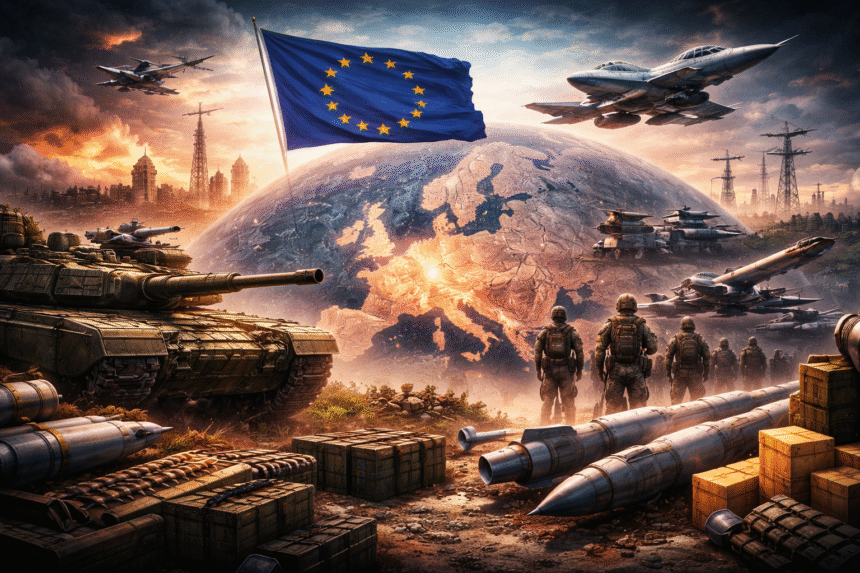
Europe has emerged as the world’s largest importer of weapons, marking a significant shift in global defense dynamics as regional tensions—particularly with Russia—continue to escalate.

The surge in arms imports reflects a broader strategic transformation across the continent, with governments prioritizing military readiness and long-term defense capabilities. This shift comes in response to growing concerns over regional security, ongoing conflicts near Europe’s borders, and the need to deter potential threats.

In recent years, European countries have significantly increased defense spending, reversing decades of military downsizing that followed the end of the Cold War. Nations such as Germany, Poland, and the Baltic states are leading the push, investing heavily in advanced weapons systems, air defense technologies, and modern military infrastructure.

The renewed focus on defense has been driven in large part by tensions with Russia, which have heightened security fears across Eastern and Central Europe. Policymakers argue that strengthening military capabilities is essential not only for deterrence but also for ensuring stability within the broader European region.

This unprecedented level of arms procurement includes fighter jets, missile defense systems, drones, and naval assets. Many countries are also working to upgrade their existing arsenals to align with modern warfare requirements, including cyber defense and intelligence capabilities.

While the increase in defense spending is seen as necessary by many European leaders, it has also sparked debate within the region. Critics warn that escalating military investments could strain public finances and divert resources from social and economic priorities.

At the same time, defense industry stakeholders view the trend as a long-term shift, signaling sustained demand for military equipment and deeper cooperation between European and allied defense suppliers, particularly the United States.

The implications of Europe’s rising arms imports extend beyond the continent. Analysts suggest that the trend could influence global arms markets, alter geopolitical balances, and potentially contribute to a broader militarization of international relations.

Despite these concerns, European leaders remain firm in their stance that the current security environment leaves little room for complacency. Strengthening defensive capabilities, they argue, is no longer optional—but a strategic necessity in an increasingly uncertain world.

As geopolitical tensions persist, Europe’s transformation into the world’s leading arms importer underscores a new era of defense prioritization—one that is reshaping both the continent’s security framework and the global balance of power.

You Might Also Like

European Countries Intensify Diplomatic Efforts to Reopen Strategic Strait

Divisions Emerge in Europe Over War Strategy, Weakening Unified Response

European Stocks Hit Four-Month Low as Geopolitical Tensions Weigh on Markets

European Pressure Mounts to Reopen Strait of Hormuz Amid Fears of Global Economic Fallout

A Sharp Surge in Gas Prices Hits Europe Amid Middle East Tensions and Hormuz Closure

World News March 26, 2026 March 26, 2026
Share This Article
Facebook Twitter Whatsapp Whatsapp Email Print
What do you think?
Love0
Sad0
Angry0
Dead0
Previous Article EU Leaders Warn of New Refugee Wave as Middle East Conflicts Intensify
Next Article Divisions Emerge in Europe Over War Strategy, Weakening Unified Response

Stay Connected

16k Like
85k Follow
45.6k Subscribe
Telegram Follow
- Advertisement -

Latest News

European Countries Intensify Diplomatic Efforts to Reopen Strategic Strait
Europe News
Divisions Emerge in Europe Over War Strategy, Weakening Unified Response
Europe News
EU Leaders Warn of New Refugee Wave as Middle East Conflicts Intensify
EU Updates
European Stocks Hit Four-Month Low as Geopolitical Tensions Weigh on Markets
Europe News
Loading

Stay Informed,Europ’s Vioce Unfolded

Sign Up for Our Newsletter

Subscribe to our newsletter to get our newest articles instantly!

Loading
© 2022 Euro Post Agency. All Rights Reserved.