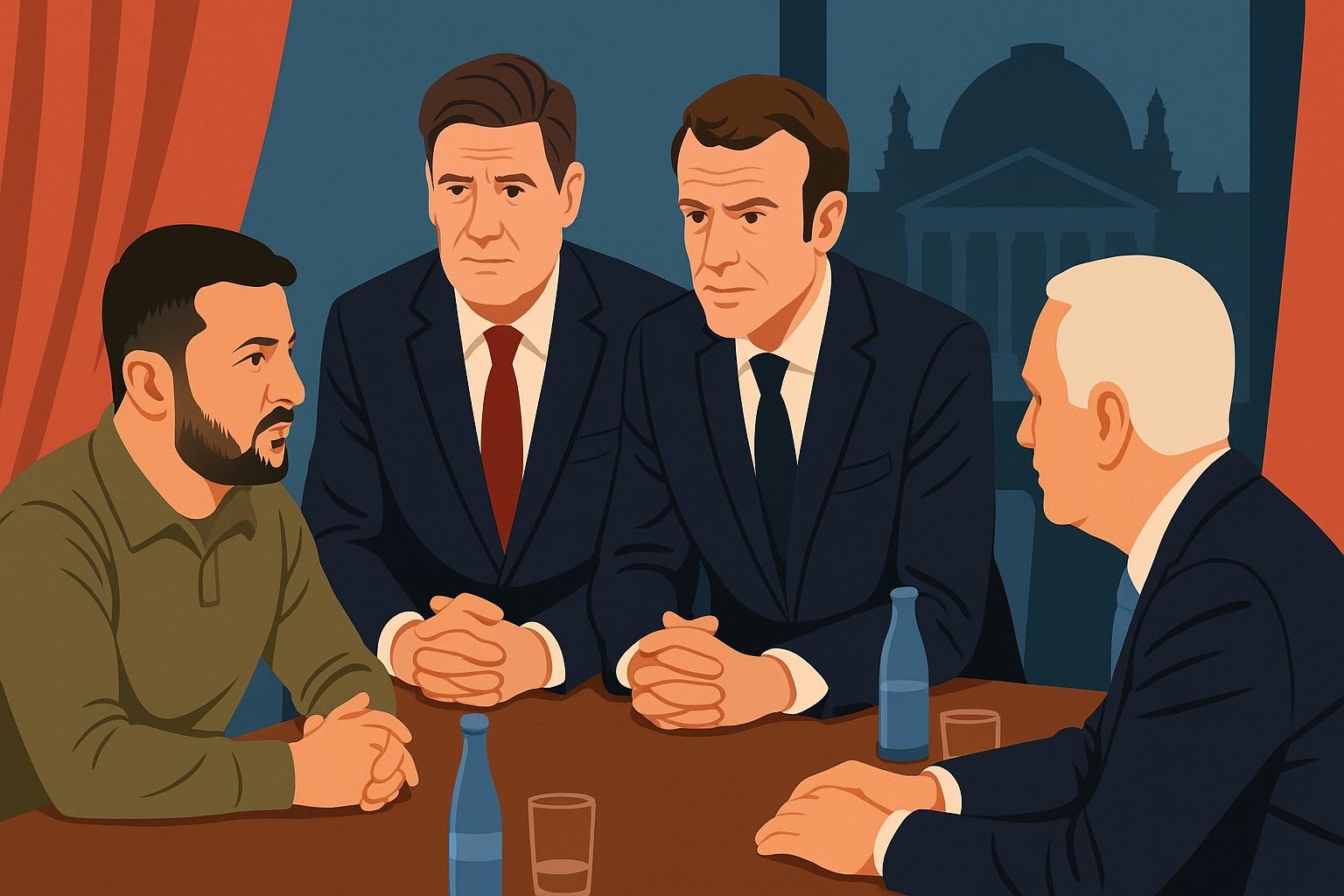


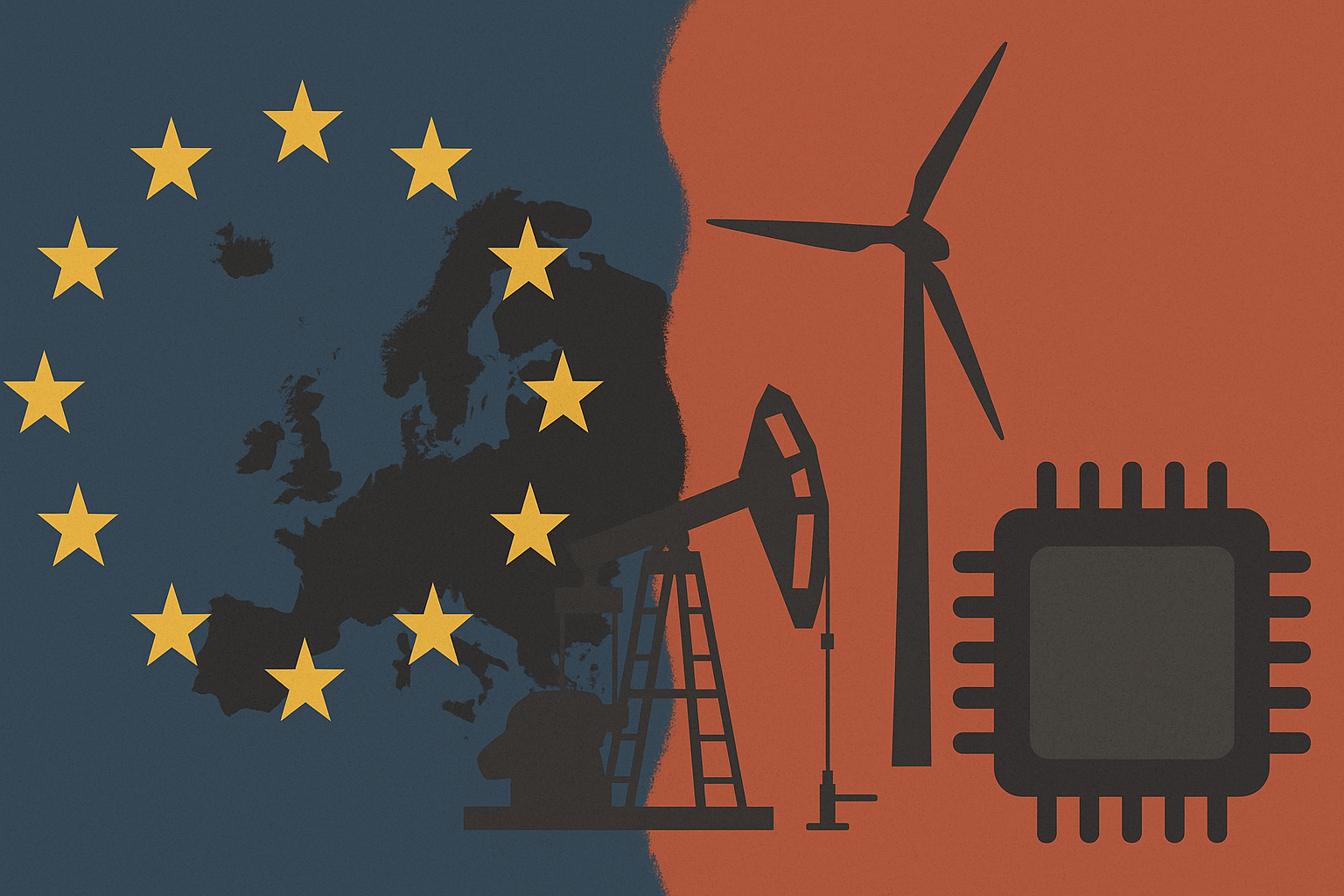
Europe is undergoing a profound reassessment of its geopolitical and economic power after recent crises exposed deep strategic vulnerabilities, particularly in the areas of energy security and advanced technology. What was once viewed as economic interdependence has increasingly come to be seen as a source of risk, forcing the European Union to rethink how it protects its interests in a more confrontational global environment.
From Interdependence to Strategic Autonomy
For decades, Europe relied on globalized supply chains, affordable Russian energy, and open technology markets to drive growth. The war in Ukraine, energy shocks, and intensifying U.S.-China competition have disrupted that model. EU policymakers now argue that excessive dependence — whether on foreign gas, critical raw materials, or non-European tech platforms — weakens Europe’s political leverage and strategic resilience.
As a result, the concept of “strategic autonomy” has moved from rhetoric to policy, shaping decisions on trade, industrial subsidies, and foreign investment screening.
Energy as a Geopolitical Weapon
Energy has become the clearest example of Europe’s recalibration. The sharp reduction of Russian gas imports forced the EU to diversify suppliers, invest heavily in renewables, and accelerate infrastructure projects such as LNG terminals and cross-border interconnectors.
European leaders increasingly view energy policy not only as an economic issue, but as a core element of national and collective security, linking climate transition goals with geopolitical independence.
Technology and Industrial Power
Technology has emerged as the second major front. Europe has identified critical sectors — semiconductors, artificial intelligence, batteries, and digital infrastructure — as areas where reliance on external powers could translate into strategic weakness.
In response, the EU has rolled out ambitious industrial initiatives, tightened rules on foreign takeovers, and sought to protect sensitive technologies, while still trying to preserve open markets and innovation.
A New Global Role
This shift does not signal a retreat from globalization, but rather a more selective engagement with it. European officials emphasize that the goal is not isolation, but leverage — the ability to act independently when necessary and to negotiate from a position of strength.
At the same time, Europe is increasingly using economic tools — sanctions, trade policy, regulatory power, and control over financial markets — as instruments of geopolitical influence.
Looking Ahead
Europe’s redefinition of its economic power marks a turning point in how the bloc sees itself on the world stage. The challenge now lies in balancing resilience with competitiveness, unity with national interests, and security with economic openness.
What is clear is that Europe no longer views economic policy as neutral. In an era of strategic rivalry, it has become a central pillar of the continent’s geopolitical identity.